On this page
- The short version
- The 20 busiest destinations in 2025
- What kind of places hire J-1 students
- Towns with a State Department community support group
- Minimum wage in the 20 busiest destinations
- Housing and transport decide a lot more than the map
- What the job offer must show about the place
- How your location is set, step by step
- Benefits of a seasonal town beyond the paycheck
- Your pay rights are the same in every destination
- Who keeps in touch with you, and how long you can stay
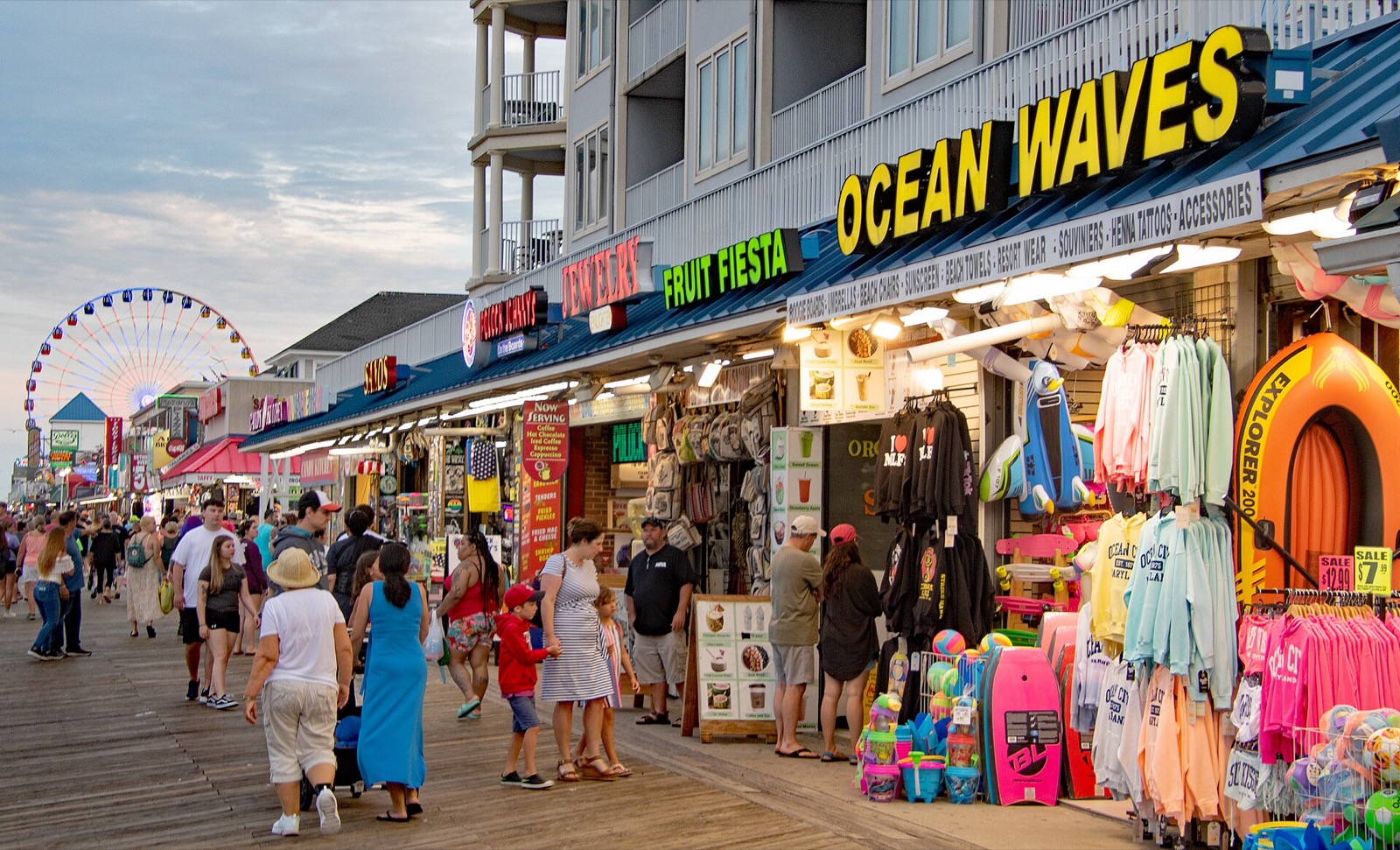
The State Department counted 104,609 new Summer Work and Travel participants for 2025. They did not spread evenly. A handful of destinations, mostly with beaches, mountains or big resort areas, took thousands each. This page shows the 2025 ranking, the kinds of towns that hire, what the minimum wage is in the busiest destinations and why housing matters more than the map. The jobs hub has the rest of the job steps.
The short version
- Find out if you must have a job before you travel.
- Compare the hourly wage on your offer with your state’s minimum wage.
- Do not start work until your sponsor has vetted the job.
- Tell your sponsor within ten days after you arrive and after any change of home.
The 20 busiest destinations in 2025
The State Department publishes a yearly flyer with the top 20 US destinations for new Summer Work and Travel participants. The 2025 flyer lists these states and counts.
| Rank | State | New participants, 2025 |
|---|---|---|
| 1 | New York | 6,657 |
| 2 | Massachusetts | 6,042 |
| 3 | Wisconsin | 5,913 |
| 4 | Florida | 5,558 |
| 5 | Maryland | 5,209 |
| 6 | New Jersey | 5,001 |
| 7 | Virginia | 4,996 |
| 8 | Colorado | 4,592 |
| 9 | California | 3,822 |
| 10 | Alaska | 3,420 |
| 11 | Pennsylvania | 3,372 |
| 12 | Ohio | 3,370 |
| 13 | Maine | 3,255 |
| 14 | South Carolina | 3,003 |
| 15 | New Hampshire | 2,912 |
| 16 | North Carolina | 2,648 |
| 17 | Michigan | 2,607 |
| 18 | Tennessee | 2,572 |
| 19 | Utah | 2,539 |
| 20 | Montana | 2,353 |
The list counts where new participants went in 2025. It does not rank the states by quality, and it covers new participants only.
The same State Department site hosts a participant map that shows the number and locations of Summer Work and Travel participants. For wider context, the J-1 program as a whole brings around 300,000 visitors from 200 countries and territories per year.
What kind of places hire J-1 students
The program is built for temporary and seasonal work. Sponsors may place participants only in jobs that are seasonal or temporary and that offer regular communication and interaction with US citizens. Employment counts as seasonal when the service is tied to a certain time of the year by an event or pattern.
The Government Accountability Office (GAO) described the pattern in a 2015 report. Participants generally work in low-wage service positions such as amusement park ride operator, cashier, lifeguard, resort worker, restaurant worker or retail sales assistant. Employers have typically included hotels, restaurants, retail stores, ski resorts and theme parks. The common jobs page goes through those roles one by one.
The GAO count is older than the 2025 flyer, so read it as a pattern, not a current total. In 2014, approximately 79,000 participants from more than 120 countries worked in all 50 states and the District of Columbia. Participants work year-round, based on the timing of their major academic breaks. Students from the Southern Hemisphere and from countries whose major academic breaks occur in November through March come during the winter season.
The program lets foreign students live and work in the United States during their summer vacation from college or university and be exposed to the people and way of life in the United States.
Towns with a State Department community support group
Some seasonal towns have a local group that helps participants settle in. These groups provide support to participants who temporarily live and work in their local community, building a sense of comfort and belonging. They identify systemic issues and concerns in their area, find solutions and coordinate forums to educate the community and businesses about the program. The list shows resort towns where participants live and work.
- Alabama and Colorado: Foley, and Estes Park.
- Delaware: Bethany Beach and Fenwick Beach.
- Massachusetts: Cape Cod.
- Maryland: Ocean City.
- Maine: Old Orchard Beach.
- Missouri: Branson.
- Montana: Big Sky.
- New York: Lake George.
- South Carolina: Myrtle Beach.
- Tennessee: Gatlinburg, Pigeon Forge and Sevierville.
- Utah: Park City.
- Wisconsin: Door County and Wisconsin Dells.
Many of these towns match the top 20 table. Ocean City sits in Maryland, number five in 2025. Wisconsin Dells and Door County sit in Wisconsin, number three. Cape Cod is in Massachusetts, number two. Check whether a group exists in the town where your job is. It is one more place to ask for help, next to your sponsor.
Minimum wage in the 20 busiest destinations
Pay depends on the state. The rule for the program is that participants must be paid at least the higher of the federal, state or local minimum wage. Where an employee is subject to both state and federal minimum wage laws, the employee is entitled to the higher minimum wage. The federal rate is $7.25 per hour for covered nonexempt workers, effective July 24, 2009.
The table lists the basic state rate from the Department of Labor’s state minimum wage table, as updated July 1, 2026. A city or county can set a higher rate, and the table does not show those.
| State | Basic state minimum wage per hour |
|---|---|
| New York | $17.00 in New York City, Nassau, Suffolk and Westchester counties; $16.00 elsewhere |
| Massachusetts | $15.00 |
| Wisconsin | $7.25 |
| Florida | $14.00 |
| Maryland | $15.00 |
| New Jersey | $15.92 |
| Virginia | $12.77 |
| Colorado | $15.16 |
| California | $16.90 |
| Alaska | $14.00 |
| Pennsylvania | $7.25 |
| Ohio | $11.00 for employers with annual gross receipts of $405,000 or more; $7.25 under $405,000 |
| Maine | $15.10 |
| South Carolina | No state minimum wage law, so the federal $7.25 applies |
| New Hampshire | $7.25 |
| North Carolina | $7.25 |
| Michigan | $13.73 |
| Tennessee | No state minimum wage law, so the federal $7.25 applies |
| Utah | $7.25 |
| Montana | $10.85 |
Compare the hourly wage on your job offer with the table before you accept it. The pre-arrival information must include wages and deductions, including those taken for housing and transportation.
Tipped jobs
Some jobs, such as restaurant work, are tipped. Under the Fair Labor Standards Act, an employer must pay a tipped worker at least $2.13 per hour. The maximum tip credit an employer can currently claim is $5.12 per hour. The program’s pay rule still applies to tipped jobs.
Housing and transport decide a lot more than the map
In the summer of 2014, field review teams conducted interviews in 33 states and the District of Columbia. Housing was a primary concern among participants, specifically a lack of sponsor support in finding housing and a shortage of suitable and affordable housing. The review interviewed 2,505 participants, approximately 3 percent of the more than 79,000 that year. About 90 percent of those participants said they were satisfied with their program experience and pleased with their sponsors. Many participants also expressed concerns about program expenses and high program fees.
The GAO also described a 2011 increase in complaints about, for example, improper or unsafe job placements, fraudulent job offers, post-arrival job cancellations, inappropriate work hours, and problems with housing and transportation. It also described 2011 media reports of participants working full time for one employer who earned only $160 to $560 per month while paying $395, twice the market rate, for company housing.
Today the rules put the duty on the sponsor. Sponsors must consider the availability of suitable, affordable housing and reliable, affordable and convenient transportation to and from work when making job placements. If the employer does not provide or arrange housing or transport, the sponsor must actively and immediately assist you with arranging it. Before you arrive, the information you get must describe the housing that is provided or available and its expected cost to you.
Read the housing page before you commit to a location.
What the job offer must show about the place
Check the offer against the town before you say yes. The pre-arrival information must include the employer name and address, position duration, job duties, number of work hours, wages, other compensation and benefits, and deductions from wages, including those taken for housing and transportation. Sponsors must also give an itemized list of all fees a participant pays.
Hours matter in a seasonal town. The employer must make good faith efforts to provide the number of hours of paid employment per week identified on your job offer.
How your location is set, step by step
For most students the location is decided by the job, so the job offer is the real choice. The steps below follow the program rules.
- Find out whether you must have a job before you travel. Participants from non-visa-waiver countries must be pre-placed in a job prior to entry.
- If you are from a visa waiver country, you may arrive without a job. The sponsor must make sure you have enough money to support yourself during the search.
- Do not start work until the job is vetted. Participants may not begin working at initial, replacement or additional jobs until their sponsors have verified the terms and fully vetted the host employers.
- If you find a job after arrival, the sponsor must vet it within 72 hours.
- If you cannot find a job on your own, the sponsor must undertake reasonable efforts to secure suitable employment after one week.
- Tell your sponsor within ten days after you arrive and within ten days after you secure or change a residence.
Some employers cannot place you. A sponsor must confirm that host employers have not experienced layoffs in the past 120 days and do not have workers on lockout or on strike. See the job vetting page for the full check.
Benefits of a seasonal town beyond the paycheck
The program is built around cultural exchange as well as work. Participants are meant to experience US culture by interacting with Americans during work and through cultural activities in their free time. The rules back this up. A job must provide opportunities for regular communication and interaction with US citizens. Over time, the State Department identified concerns such as abuses of some participants by employers, links between some participants and organized crime, and the work part of the program overshadowing the cultural part.
Jobs in warehousing and order distribution centers are excluded outright. So are positions requiring work hours that fall mostly between 10:00 p.m. and 6:00 a.m.. The prohibited jobs page lists the rest of the exclusions.
Your pay rights are the same in every destination
State minimum wages differ, but the basic protections do not. Your employer must pay you at least the federal legal minimum wage for most jobs. Your employer must pay you for all work you do. Employees covered by the Fair Labor Standards Act must receive overtime pay for hours worked in excess of 40 in a workweek at a rate not less than time and one-half their regular rates of pay, unless specifically exempted.
An employer usually cannot take from your paycheck or make you pay for uniforms, safety equipment, required tools, supplies, equipment or recruitment fees. An employer cannot retaliate, harass, intimidate or take negative action against you for asking about your pay, hours of work and other rights.
If you have questions about wages and your paycheck, call 1-866-487-9243. The Department of Labor’s complaint page gives the same number, and many investigations are initiated by complaints, which are confidential. The pay and wages page covers overtime and deductions in more detail.
Who keeps in touch with you, and how long you can stay
Your sponsor stays in the picture after you start. Sponsors must maintain, at a minimum, monthly personal contacts with participants. Sponsors must also ensure that the activities in which participants are engaged are consistent with the category and activity listed on the DS-2019, and monitor the physical location of the activity. If you move, your sponsor must report the change of your actual and current US address in SEVIS within ten business days of notification.
As of November 2014, the program had 41 active sponsors, and the GAO described them as participants’ primary point of contact, responsible for addressing issues that affect health, safety and welfare. Sponsors are also required to vet potential employers and their job offers by contacting each employer directly. Before you leave home you must receive the sponsor’s 24/7 immediate contact telephone number and the Department of State’s toll-free help line telephone number.
Length of stay
Participants are authorized to take part for up to four months during the long break between academic years. The maximum length of the program is four months. Extensions of program participation are not permitted.
Questions about work
What are the most popular US destinations for J-1 Summer Work and Travel students?
In 2025 the State Department's top five destinations for new participants were New York (6,657), Massachusetts (6,042), Wisconsin (5,913), Florida (5,558) and Maryland (5,209). The full top 20 is in the table above.
Can I choose which state I work in?
It depends on your country. Participants from countries outside the Visa Waiver Program must be pre-placed in a job before entry, so the state comes with the job offer. Participants from visa waiver countries may arrive without a job, and sponsors must help those who cannot find one after one week.
Does the minimum wage change from state to state?
Yes. Participants must be paid at least the higher of the federal, state or local minimum wage. Among the 2025 top 20 destinations the basic state rate runs from the federal $7.25 in Wisconsin to $17.00 in New York City and three nearby counties.
What kinds of jobs do J-1 students do in these states?
A 2015 GAO review found participants generally in low-wage service jobs such as amusement park ride operator, cashier, lifeguard, resort worker, restaurant worker or retail sales assistant. Employers have typically been hotels, restaurants, retail stores, ski resorts and theme parks.
Is there help for J-1 students in a seasonal town?
In some towns, yes. The State Department lists community support groups in places such as Ocean City, Maryland, Wisconsin Dells, Myrtle Beach and Park City. They support participants who live and work in the local community.
What is the main concern for J-1 students in a seasonal town?
Housing. In the State Department's summer 2014 field review, housing was a primary concern for participants, including a shortage of suitable and affordable housing. Sponsors must weigh housing and transport when placing you.
Read next
Jobs
Common J-1 Summer Work and Travel Jobs: Lifeguard, Resort, Retail and More
The jobs J-1 Summer Work and Travel students usually get, what each pays nationally, which jobs are off limits, and how a job counts as seasonal.
Jobs
Summer Work and Travel Pay: Minimum Wage, Overtime and Deductions
What a J-1 Summer Work and Travel job must pay: the minimum wage floor, overtime after 40 hours, deductions an employer cannot take and who to call.
Living
Work and Travel USA Housing: Who Arranges It, What It Costs and How to Avoid Scams
Who arranges J-1 Summer Work and Travel housing, what it costs, how leases and deposits work, and how to spot rental scams before you pay.
Sources
- 2025 New Summer Work Travel Exchange Visitors flyer (U.S. Department of State) · U.S. Department of State · j1visa.state.gov · checked October 20, 2026
- GAO-15-265 Summer Work Travel Program (U.S. Government Accountability Office, 2015; via Wayback) · U.S. Government Accountability Office · gao.gov · checked October 20, 2026
- Summer Work Travel (J-1 BridgeUSA, U.S. Department of State) · U.S. Department of State · j1visa.state.gov · checked October 20, 2026
- Federal Wage and Hour Laws, FLSA overview (DOL Wage and Hour; Wayback capture 2026) · U.S. Department of Labor, Wage and Hour Division · dol.gov · checked October 20, 2026
- 22 CFR 62.32 Summer work travel (eCFR) · eCFR (U.S. Government Publishing Office) · ecfr.gov · checked October 20, 2026
- State Minimum Wage Laws (DOL Wage and Hour; Wayback capture 2026) · U.S. Department of Labor, Wage and Hour Division · dol.gov · checked October 20, 2026
- Summer Work Travel Community Support Groups (U.S. Department of State) · U.S. Department of State · j1visa.state.gov · checked October 20, 2026
- Fact Sheet #15: Tip Credit under the FLSA (DOL Wage and Hour; Wayback capture 2026) · U.S. Department of Labor, Wage and Hour Division · dol.gov · checked October 20, 2026
- 22 CFR 62.10 Program administration (eCFR) · eCFR (U.S. Government Publishing Office) · ecfr.gov · checked October 20, 2026
- Facts and Figures 2015-2025 (J-1 BridgeUSA, U.S. Department of State) · U.S. Department of State · j1visa.state.gov · checked October 20, 2026
- Rights and Protections for Temporary Workers (Wilberforce pamphlet, State Department; Wayback capture 2025) · U.S. Department of State, Bureau of Consular Affairs · travel.state.gov · checked October 20, 2026
- Fact Sheet #23: Overtime Pay Requirements of the FLSA (DOL Wage and Hour; Wayback capture 2026) · U.S. Department of Labor, Wage and Hour Division · dol.gov · checked October 20, 2026
- How to File a Complaint (DOL Wage and Hour; Wayback capture 2025) · U.S. Department of Labor, Wage and Hour Division · dol.gov · checked October 20, 2026
Image credits (1)
- David / Wikimedia Commons · CC BY 2.0 · source

Fees, forms and wage rates change: each source shows the date it was checked. How we check facts · Report an error.