On this page
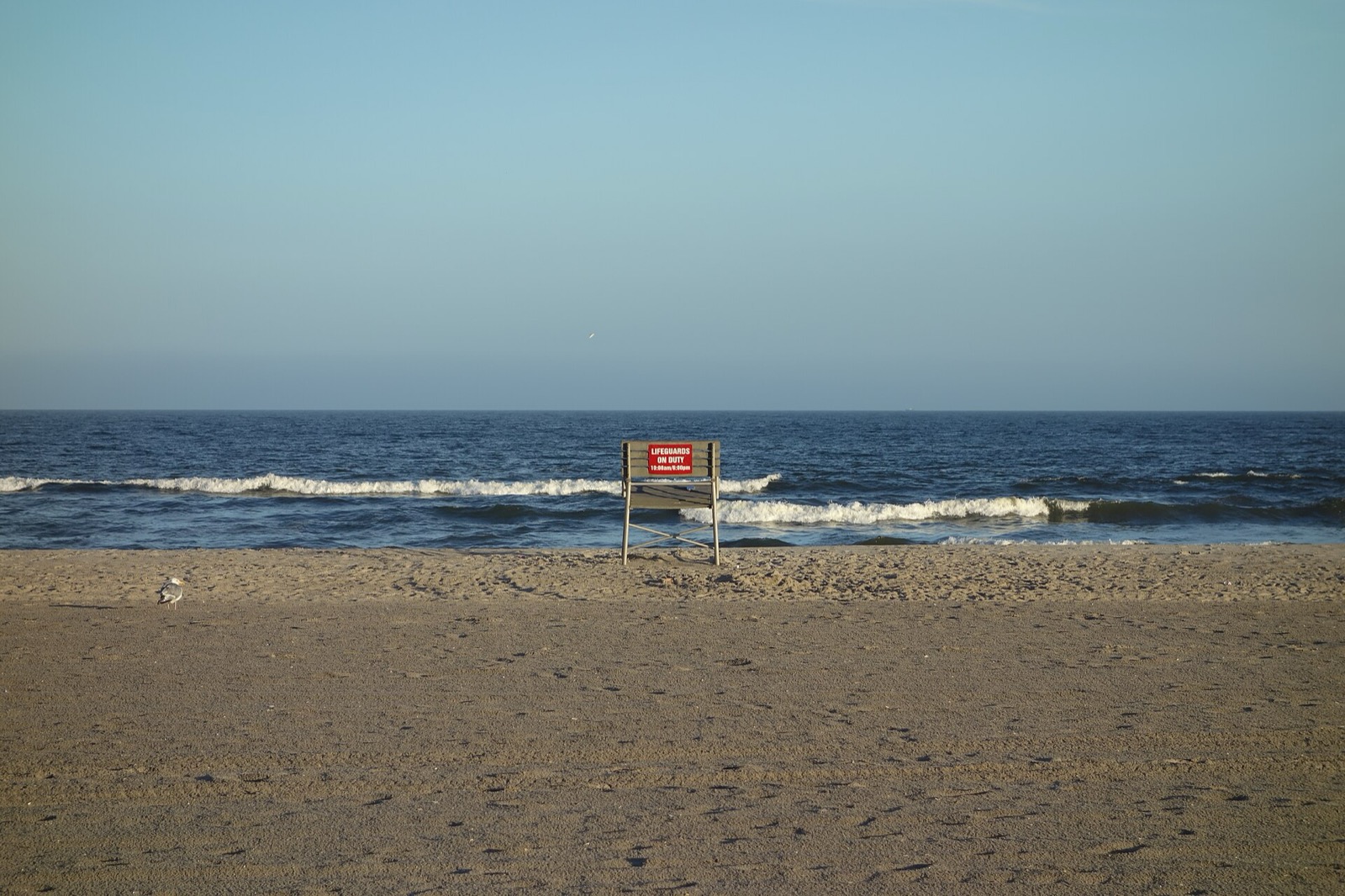
A 2015 review by the Government Accountability Office (GAO) reported that in 2014 about 79,000 participants worked up to 4 months in jobs such as lifeguard, cashier and resort worker. This page lists the common ones, what each pays nationally, and the jobs the rules rule out. The jobs hub covers the steps around them.
The short version
- Check that the job is seasonal or temporary.
- Check that the job is not on the list of jobs the program does not allow.
- Arrange your job before you enter the USA unless you are from a visa waiver country.
- Do not start work until your sponsor has vetted the employer.
What makes a job eligible
A job qualifies when it is seasonal or temporary and gives you regular contact with Americans. Sponsors may place participants only in jobs that are seasonal or temporary and that provide opportunities for regular communication and interaction with US citizens and allow participants to experience US culture.
The rule defines both words. Employment is seasonal when the required service is tied to a certain time of the year by an event or pattern. It is temporary when the employer’s need is a one-time occurrence, a peak load need or an intermittent need.
Three more limits shape the list. The job may not require licensing, may not be on the program exclusion list, and may not belong to another specific J visa category, such as Camp Counselor, Trainee or Intern. Sponsors may not place participants with employers that fill non-seasonal or non-temporary job openings with exchange visitors on staggered vacation schedules. And host employers must not have had layoffs in the past 120 days or have workers on lockout or on strike.
Common jobs and what they pay nationally
The table shows national medians for all US workers in each occupation. It does not predict your offer. Each row names its data month, and the months differ, so compare with care.
| Job | Federal occupation | Median pay | Source |
|---|---|---|---|
| Lifeguard | Lifeguards, Ski Patrol, and Other Recreational Protective Service Workers | $14.60 per hour, May 2023 | BLS |
| Amusement or recreation attendant | Amusement and Recreation Attendants | $14.13 per hour, May 2023 | BLS |
| Hotel housekeeper | Maids and Housekeeping Cleaners | $16.08 per hour, May 2023 | BLS |
| Waiter or waitress | Waiters and Waitresses | $16.23 per hour, May 2024, tips included | BLS |
| Food and beverage serving worker | Food and Beverage Serving and Related Workers | $14.92 per hour, May 2024 | BLS |
| Cashier | Cashiers | $14.99 per hour, May 2024 | BLS |
| Retail salesperson | Retail Salespersons | $16.62 per hour, May 2024 | BLS |
| Recreation worker | Recreation Workers | $35,380 per year, May 2024 | BLS |
Your own pay floor is set by the program, not by these medians. Participants must be paid at least the higher of the federal, state or local minimum wage. The pay and wages page shows how that works, and the where students work page lists state rates.
Lifeguard jobs
Federal data file lifeguards under occupation 33-9092, a category that monitors recreational areas, such as pools, beaches or ski slopes, to provide assistance and protection to participants. In May 2023 about 123,560 people worked in the category, with a mean hourly wage of $15.07. The 25th percentile wage was $12.57, the 75th was $16.97 and the 90th was $18.82.
Where the work is: local government employed 42,140 and other amusement and recreation industries 32,940. Traveler accommodation employed 7,550, and amusement parks and arcades 7,280.
Training is part of the job. The Red Cross requires everyone in its lifeguarding course to complete a swimming skills prerequisite first. The assessment includes a swim-tread-swim and a timed event sequence. A Red Cross lifeguarding certificate is valid for 2 years. As with any job, the sponsor must vet the position before you start. The job vetting page explains that check.
Resort, hotel and amusement jobs
GAO listed hotels, restaurants, retail stores, ski resorts and theme parks as typical employers. Amusement and recreation attendants perform a variety of attending duties at an amusement or recreation facility. Their median pay was $14.13 per hour in May 2023, with the 10th percentile at $10.31 and the 90th at $18.31. Amusement parks and arcades employed 69,610 of them, and other amusement and recreation industries 178,100.
Housekeeping follows hotels. Traveler accommodation employed 397,640 maids and housekeeping cleaners in May 2023, the most of any industry. The median was $16.08 per hour. The rules add care here. Sponsors must use extra caution when placing students at employers in lines of business frequently associated with trafficking persons, and the rule names housekeeping and janitorial services as examples. If a housekeeping job pays by the room, the sponsor must make sure your earnings at the end of each pay period at least equal the predominant local wage, supplementing your pay if not.
Restaurant, cashier and retail jobs
Waiters and waitresses work in restaurants, bars, hotels and other food-serving and drinking establishments. In establishments that offer seasonal employment, they may be employed for only a few months each year. The national median wage was $16.23 in May 2024, and those figures include tips. Tipped employees earn at least the federal minimum wage, paid as a combination of direct wages and tips, depending on the state.
The federal tip rules set a floor for the cash part. An employer must pay a tipped worker at least $2.13 per hour, and the maximum tip credit an employer can currently claim is $5.12 per hour.
Other food service jobs include taking and preparing orders, clearing tables and serving food and drink to customers. Most of these workers get their earnings from hourly wages alone, even though some earn tips.
Cashiers process payments and disburse money in retail settings. Retail sales workers sell merchandise, spare and replacement parts and equipment to customers. They sometimes pick up additional shifts, particularly during holidays and other peak sales periods. Sales jobs have one catch: positions that are substantially commission-based are excluded, because they do not guarantee minimum wage.
Jobs the program does not allow
Sponsors must not place participants in:
- domestic help positions in private homes, such as child care, elder care, gardener or chauffeur;
- any position in the adult entertainment industry;
- positions related to clinical care that involves patient contact;
- positions that require sustained physical contact with other people, such as body piercing, tattooing, massage or manicure;
- positions as operators or drivers of vehicles or vessels for which drivers’ licenses are required, and as pedicab or rolling chair drivers;
- positions in chemical pest control, warehousing, and catalogue or online order distribution centers;
- positions involved in gaming and gambling that include direct participation in wagering and betting;
- positions with travelling fairs or itinerant concessionaires;
- positions requiring work hours that fall predominantly between 10:00 p.m. and 6:00 a.m.;
- sales positions that require you to buy inventory that you must sell to support yourself.
The full list, with the other exclusions, is on the prohibited jobs page. The rule text is in 22 CFR 62.32.
Other J-1 programs with work
In 2015 the GAO counted 14 component programs in the J-1 Visa Program, Summer Work Travel among them. The others include Au Pair, Camp Counselor, Intern and Trainee. A job that belongs to another specific J category cannot be filled through Summer Work Travel. A camp counselor job, for example, goes through the Camp Counselor category, not this one. The Summer Work Travel page is for college and university students enrolled full time and pursuing studies at post-secondary accredited academic institutions located outside the United States.
Before you accept any of them
Run the offer through three checks. First, if you are from a country outside the Visa Waiver Program, your job must be arranged before you enter: participants must be pre-placed in a job prior to entry unless from a visa waiver country. Second, do not start work until the sponsor has verified the terms and fully vetted the host employer. Third, if you find a job after arrival, the sponsor must vet it within 72 hours. The finding a job page covers the search itself.
Questions about work
What occupation category is a lifeguard?
Federal labor data place lifeguards in occupation 33-9092, Lifeguards, Ski Patrol, and Other Recreational Protective Service Workers. The category covers monitoring recreational areas such as pools, beaches or ski slopes to provide assistance and protection to participants.
What field industry is lifeguarding in?
In May 2023 the largest employers of this category were local government (42,140 workers) and other amusement and recreation industries (32,940). Traveler accommodation (7,550) and amusement parks and arcades (7,280) also employ lifeguards.
What work and travel programs are available in the USA?
In 2015 the J-1 Visa Program had 14 component programs, including Summer Work Travel, Camp Counselor, Intern, Trainee and Au Pair. A Summer Work Travel job may not be one that has another specific J visa category.
What jobs can J-1 Summer Work and Travel students do?
Only seasonal or temporary jobs that let you communicate and interact regularly with US citizens. Typical ones are lifeguard, cashier, resort, restaurant, retail and amusement park jobs.
Which jobs are not allowed on the J-1 Summer Work and Travel program?
Sponsors must not place participants in jobs such as domestic help in private homes, adult entertainment, warehousing, and driving jobs that need a driver's license. Jobs with hours mostly between 10:00 p.m. and 6:00 a.m. are also excluded.
How much do these jobs pay?
Participants must be paid at least the higher of the federal, state or local minimum wage. The federal rate is $7.25 per hour. National median pay for typical roles runs from $14.13 for amusement attendants in May 2023 to $16.62 for retail salespersons in May 2024.
Read next
Jobs
Summer Work and Travel Prohibited Jobs: The J-1 List of Jobs Sponsors Cannot Place You In
The J-1 Summer Work and Travel jobs a sponsor may not place you in: night shifts, commission-only, driving, clinical care and more, with the rule behind each.
Jobs
Summer Work and Travel Pay: Minimum Wage, Overtime and Deductions
What a J-1 Summer Work and Travel job must pay: the minimum wage floor, overtime after 40 hours, deductions an employer cannot take and who to call.
Jobs
Where J-1 Summer Work and Travel Students Work: Top US States and Towns
The top 20 destinations for new J-1 Summer Work and Travel students in 2025, the seasonal towns behind them, and what pay and housing look like there.
Sources
- GAO-15-265 Summer Work Travel Program (U.S. Government Accountability Office, 2015; via Wayback) · U.S. Government Accountability Office · gao.gov · checked October 20, 2026
- 22 CFR 62.32 Summer work travel (eCFR) · eCFR (U.S. Government Publishing Office) · ecfr.gov · checked October 20, 2026
- Summer Work Travel (J-1 BridgeUSA, U.S. Department of State) · U.S. Department of State · j1visa.state.gov · checked October 20, 2026
- 33-9092 Lifeguards, Ski Patrol, and Other Recreational Protective Service Workers, May 2023 OEWS (BLS; Wayback capture 2024) · U.S. Bureau of Labor Statistics · bls.gov · checked October 20, 2026
- Lifeguarding Certification (American Red Cross) · American Red Cross · redcross.org · checked October 20, 2026
- 39-3091 Amusement and Recreation Attendants, May 2023 OEWS (BLS; Wayback capture 2024) · U.S. Bureau of Labor Statistics · bls.gov · checked October 20, 2026
- 37-2012 Maids and Housekeeping Cleaners, May 2023 OEWS (BLS; Wayback capture 2024) · U.S. Bureau of Labor Statistics · bls.gov · checked October 20, 2026
- Waiters and Waitresses, Occupational Outlook Handbook (BLS; Wayback capture 2025) · U.S. Bureau of Labor Statistics · bls.gov · checked October 20, 2026
- Food and Beverage Serving and Related Workers, Occupational Outlook Handbook (BLS; Wayback capture 2025) · U.S. Bureau of Labor Statistics · bls.gov · checked October 20, 2026
- Cashiers, Occupational Outlook Handbook (BLS; Wayback capture 2025) · U.S. Bureau of Labor Statistics · bls.gov · checked October 20, 2026
- Retail Sales Workers, Occupational Outlook Handbook (BLS; Wayback capture 2025) · U.S. Bureau of Labor Statistics · bls.gov · checked October 20, 2026
- Recreation Workers, Occupational Outlook Handbook (BLS; Wayback capture 2025) · U.S. Bureau of Labor Statistics · bls.gov · checked October 20, 2026
- Federal Wage and Hour Laws, FLSA overview (DOL Wage and Hour; Wayback capture 2026) · U.S. Department of Labor, Wage and Hour Division · dol.gov · checked October 20, 2026
- Fact Sheet #15: Tip Credit under the FLSA (DOL Wage and Hour; Wayback capture 2026) · U.S. Department of Labor, Wage and Hour Division · dol.gov · checked October 20, 2026
Image credits (1)
- Tdorante10 / Wikimedia Commons · CC BY-SA 4.0 · source

Fees, forms and wage rates change: each source shows the date it was checked. How we check facts · Report an error.