On this page
- The short version
- How housing fits the program rules
- Who arranges your housing?
- Do Work and Travel jobs pay for housing?
- Types of housing and what they offer
- Questions to ask before you accept housing
- Leases and deposits
- Moving in and paying rent
- Moving out and getting your deposit back
- Rental scams aimed at students
- Safety at home: crowding, fire and the neighborhood
- If you do not like your housing
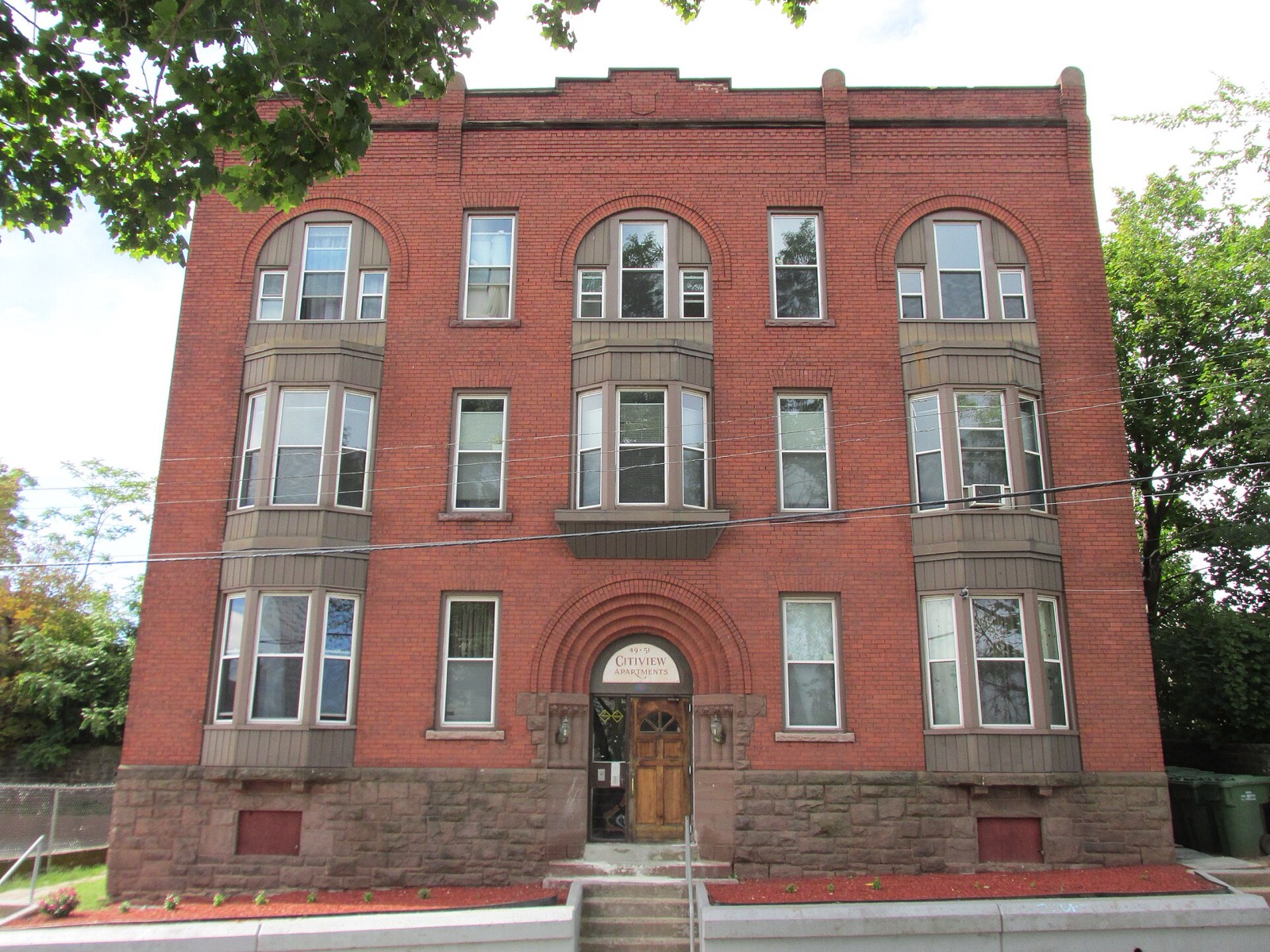
Where you sleep during a season depends on your job offer, so the housing question starts before you accept the job. This page covers who arranges the room, what it costs, how a lease and a deposit work, and how to avoid the fake listings that target students. The living hub links the other pages on settling in.
The short version
- Read your job offer to see if your employer arranged housing.
- Ask your sponsor in writing for the housing details and cost before you leave home.
- Read the whole lease and check that the landlord has signed it.
- Never pay a deposit or rent before you sign a lease or see the property.
- Tell your sponsor your address within ten days of arriving.
How housing fits the program rules
The State Department’s Summer Work Travel page lists the program as of 2026-10-20. The program gives foreign students a chance to live and work in the US during their summer vacation from college or university. Participants must be full-time students at accredited schools outside the US. The maximum length of the program is four months.
Housing is part of how the program works. The 22 CFR 62.32 rule tells your sponsor to weigh whether suitable, affordable housing and reliable transport are available before it places you in a job.
Who arranges your housing?
Your employer may arrange it, or you may find it yourself. Read the job offer closely to see whether the host employer has arranged housing. If your employer does not arrange housing, you must find housing that is inexpensive, comfortable, safe and close to your work site.
You are not alone in that search. If the employer does not provide or arrange housing, the sponsor must actively and immediately assist you with arranging appropriate housing and transportation. The same duty applies if you decline employer-provided housing.
Employer-arranged housing is not a free choice once you accept the job. Under InterExchange’s rules, housing arranged by the employer is part of the job offer and is not optional. It requires employers to help arrange safe, affordable housing before students arrive. Details on housing are supposed to reach you before you arrive in the US.
Your sponsor must also tell you what housing is provided and the expected cost before you leave home. Ask for that in writing.
Tell your sponsor where you live
You must tell your sponsor about your address. Participants must notify sponsors within ten days after arriving in the US, and again within ten days after they secure or change residences. The rules also require you to report any change of phone, email or US address within ten calendar days. The sponsor then reports address changes in SEVIS within ten business days of being notified.
Do Work and Travel jobs pay for housing?
Usually you pay, and the cost can come out of your wages. Pre-arrival information must include the wages and any deductions, including those for housing and transportation. Sponsors must also give you an itemized list of all fees you will pay.
The numbers below are InterExchange’s own, not a government source. Use them as a rough guide.
| Item | Sponsor figure | Source |
|---|---|---|
| Average housing cost | About $80 a week | |
| Housing in some resort areas | As much as $125 a week | |
| Shared housing | $80 to $120 a week, depending on location | |
| Security deposit | One week’s rent to one month’s rent | |
| Deposit due on arrival | Up to $400 |
Costs vary with location. In a seasonal area, housing may be harder and costlier to find, especially in peak tourist season, so InterExchange suggests starting early.
Ask whether the cost is deducted from your paycheck, and if so whether before or after tax. For how pay and deductions are handled, see pay and wages.
Some housing is free, in InterExchange’s words. No government rule promises it.
Housing details, including the expected cost, must be described before you arrive. A promise of free housing should show up in those details.
Types of housing and what they offer
Most students end up in one of four setups.
Apartment, house share or sublet
Renting an apartment or house gives you the most freedom. Sharing with other people is a cost-efficient way to do it, since you divide rent and bills. Make sure there is enough space for every tenant to avoid overcrowding. A sublet means you take over paying rent and bills while the original tenant keeps the duties under the lease. To rent, share or sublet, you are typically asked for a copy of a photo ID, a letter from an employer with salary information and proof of sufficient funds from home.
Dormitory-style and university housing
University-style housing usually means sharing a bedroom and bathroom. Most dormitories provide furnished rooms, Internet, a kitchen and laundry, and sometimes meals. Contact the university directly to ask about seasonal housing.
Homestay
A homestay means living with an American family, which helps language skills and gives a taste of US culture. You typically get your own bedroom and an agreed number of meals with the family each week. It may not suit you if you like staying out late and inviting friends over.
Hostel
A hostel works for temporary accommodation while you look for something longer term. You usually share a bedroom and bathroom, and you meet other young people.
Expect basic housing. InterExchange tells students not to expect to share a room with a specific person, and many employers arrange housing by gender. Some areas have only older accommodation for rent, and kitchen facilities, furniture, Wi-Fi, cookware and linens are not guaranteed.
Questions to ask before you accept housing
Ask these before you agree to anything. They come from InterExchange’s checklist.
- Is the cost per week or per month, and is the deposit refundable, and under what conditions?
- Did the employer arrange the housing, and is it employer-owned or owned by someone else?
- Is it an apartment, a house or a motel?
- Is the cost deducted from your paycheck, and is that before or after tax?
- Do men and women live in the same accommodation?
- What is the total number of people living there?
- What are the transportation options to the job site and the city center?
- Will you need a bike or car, or is everything in walking distance?
Housing should be within a reasonable distance of your job and in an area with regular, safe and affordable transportation. Read getting around for the rest.
Leases and deposits
A lease is a record that you have rented a house or apartment, and it gives both you and the landlord legal protections. Read the lease thoroughly, make sure you understand every term before you sign, and make sure the landlord has signed it. Keep a copy. If the landlord does not require a lease, ask for one. Get a signed lease with the landlord’s full name and contact information.
The program lasts four months at most. InterExchange advises against signing long-term lease agreements and recommends trying to negotiate a shorter or month-by-month lease. If you leave before the lease ends, there may be a fee, so discuss it before you sign.
Security deposit
A security deposit is money the landlord holds in case of damage or unpaid rent. It can range from one week’s rent to one month’s. InterExchange adds that the landlord may also ask for part of the rent, and that this may be due on arrival, so bring enough money.
The deposit terms, including when and how it will be returned, should be written in the lease. Some leases make part of the deposit nonrefundable. A portion may also be kept as a cleaning fee.
Other terms you may see in a lease include prorated rent, which is rent for a partial week or month, and a re-rent fee, which a landlord charges for finding a new tenant if you end the lease early.
Moving in and paying rent
On move-in day, write down any damage that is already there and email or send that list to your landlord. Keep a copy for yourself. Take pictures or videos of the damage and the condition of the place. Ask for a walkthrough with your landlord so both of you see the condition together.
Know when your rent is due, so you avoid late fees. Whether you pay in cash, by card or by check, always get a receipt and keep it. Find out which utilities you pay for, such as heat, electricity, water, cooking gas, cable and Internet, because it varies by city and accommodation. If you pay certain utilities, the lease should say so.
You are leasing the place, not owning it, so look after it to protect your deposit. Keep noise down to avoid fines. Damaging housing can lead to extra fees and even eviction.
A furnished room often costs more, but it saves buying furniture after you arrive. Most participant housing and apartment complexes have shared laundry; if yours does not, use a laundromat.
Moving out and getting your deposit back
Arrange a walkthrough at move-out and take pictures or videos again. If your housing was left in good condition, you should receive your deposit back. Before you leave the US, agree with your landlord on when and how the deposit will be returned.
Moving out before the date in your lease can cost you the deposit. The landlord may also withhold the deposit if you leave without notice. InterExchange asks to see your lease and photos of the housing if you have trouble getting a deposit back.
Rental scams aimed at students
Housing scams are common. The Federal Trade Commission’s rental listing guide shows the pattern. Scammers copy the pictures and description from a real listing and replace the agent’s contact details with their own. They also create listings for places that are not for rent or do not exist. The fake ad may offer surprisingly low rent or great amenities.
Spot the pattern:
- The owner claims to be out of the country or gives another excuse for not showing the place.
- Someone pressures you to decide quickly: walk away.
- You are told to pay the application fee, deposit or first month’s rent by wire transfer, gift cards or cryptocurrency.
Insisting on a wire transfer, gift cards or cryptocurrency is a scam. Wiring money is the same as sending cash. After the money is gone, the scammer disappears and you have no place to move in to.
Checks before you pay
- Search online for the rental address together with the owner’s or rental company’s name. If the same ad appears under another name, that is a clue to a scam.
- Check the rental company’s own website to see whether the property is listed there.
- Compare the rent with other rents in the area. A rent far below the market can signal a scam.
- Look at the property before you sign or pay. If you cannot, ask someone you trust to confirm it is for rent.
- For a private landlord, search city or county tax records to see who owns the property, then check the landlord’s ID against those records.
- Do not give personal or financial information to anyone who contacts you claiming to work with the owner.
Until you agree to rent, a landlord does not need your Social Security number, credit score or other sensitive information. Be wary of listings that involve an agent, a lawyer or someone who is out of the country. Do not pay a security deposit or rent before you sign a lease or see the property. If you are renting a vacation property, get a copy of the contract before sending any deposit money.
InterExchange recommends booking short-term housing such as a hostel for your arrival and searching once you are in the US. That lets you see the property and meet the landlord instead of sending money to a stranger. If you must secure permanent housing before you arrive, it recommends an established university or residence facility over an individual owner.
Report a rental listing scam to your local law enforcement agency and to the website where the ad was posted. More on fake offers in Work and Travel scams.
Safety at home: crowding, fire and the neighborhood
Many students share housing, which saves money but can lead to overcrowded and unsafe conditions. Going over the maximum occupancy of an apartment or house violates safety rules and raises the risk of fire. InterExchange asks its participants to notify it immediately if their housing is overcrowded.
Make sure the place has working smoke detectors and a fire extinguisher. Fire codes come from your state or local government, and the local fire department can tell you more.
Visit the neighborhood before you move there, and see what it is like at night. If you cannot visit, ask your employer about the area and look at Google Maps. Health and emergency basics are in health and safety.
If you do not like your housing
Talk to your landlord as soon as possible. Conditions vary, and you should expect to share modest accommodation. You are not required to accept housing from your host and may move out, though a signed lease may set terms for leaving. If the employer did not arrange housing, or you decline it, your sponsor must help you find another place.
Changing your address means telling your sponsor within ten calendar days. Your sponsor must give you the State Department’s toll-free help line number before you leave.
Questions about daily life
Do travel jobs pay for housing?
Sometimes the cost comes out of your pay. Pre-arrival information must list deductions from wages, including those taken for housing and transportation. Read the job offer closely to see whether your host employer has arranged housing.
Does the work and travel program still exist?
Yes. The State Department's J-1 site still lists the Summer Work Travel program, which lets full-time foreign students live and work in the US during their summer vacation, as seen on 2026-10-20. The maximum length of the program is four months.
Is there a way to get free accommodation in exchange for work in the USA?
Sometimes. InterExchange, a sponsor, states that some housing is free. No government rule promises it. Housing details, including the expected cost, must be given to you before you arrive.
What is the work and travel USA program?
It is a J-1 exchange category for foreign students at post-secondary schools outside the US. It gives them the chance to live and work in the US during summer vacation, for up to four months.
Can I be asked to wire money for a deposit?
Treat any such request as a scam. There is never a good reason to wire money to pay a security deposit, application fee or first month's rent, and wired money is like cash that you cannot get back.
Do I have to accept the housing my employer arranged?
No. InterExchange's guide states that you are not required to accept housing provided by your host and may move out, though a signed lease may have its own move-out terms. The State Department rules cover this case: if you decline employer housing, your sponsor must help you arrange other housing.
Read next
Arrival
First Week in the USA on J-1 Work and Travel: A Step-by-Step Checklist
Your first week on a J-1 Work and Travel season, in order: I-94, sponsor check-in, housing, Social Security number, bank account, insurance, first paycheck.
Apply
J-1 Summer Work and Travel Job Offer Scams: Red Flags and Who to Call
How fake Summer Work and Travel job offers work, the red flags, how to check a sponsor and a job, and which agencies and hotlines to call if you were scammed.
Money
How Much Money You Need for Work and Travel USA: Sourced Costs and Wage Floors
A line-by-line budget for a J-1 Summer Work and Travel season: SEVIS and visa fees, housing deposits, wage floors, tax and bank costs, each with its source.
Sources
- Housing | Work & Travel USA International Cooperator Guide (InterExchange, a sponsor's own page) · InterExchange (designated J-1 sponsor) · interexchange.org · checked October 20, 2026
- 22 CFR 62.32 Summer work travel (eCFR) · eCFR (U.S. Government Publishing Office) · ecfr.gov · checked October 20, 2026
- 22 CFR 62.10 Program administration (eCFR) · eCFR (U.S. Government Publishing Office) · ecfr.gov · checked October 20, 2026
- Summer Work Travel (J-1 BridgeUSA, U.S. Department of State) · U.S. Department of State · j1visa.state.gov · checked October 20, 2026
- Rental Listing Scams (Consumer Advice, Federal Trade Commission), seen via Wayback 2026 capture · Federal Trade Commission · consumer.ftc.gov · checked October 20, 2026
- Your Housing Guide | Resources (InterExchange, a sponsor's own page) · InterExchange (designated J-1 sponsor) · interexchange.org · checked October 20, 2026
Image credits (1)
- John Phelan / Wikimedia Commons · CC BY-SA 3.0 · source

Fees, forms and wage rates change: each source shows the date it was checked. How we check facts · Report an error.