On this page
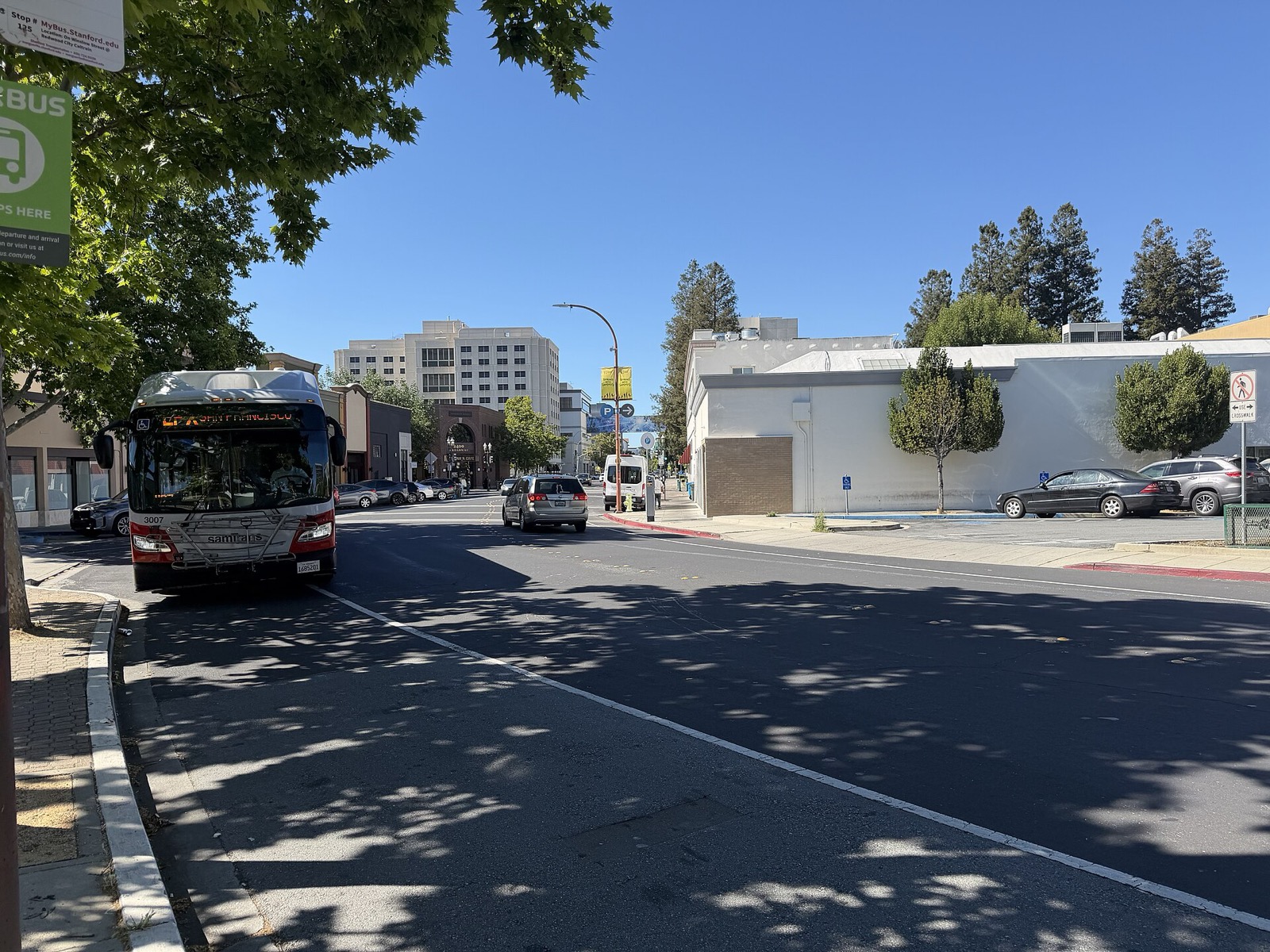
This page covers getting to work and around town without a car: on foot, by bike, by bus or train, and in a ride-hail car. The living hub has the rest of daily life, and the driving page covers licenses and car insurance.
The short version
- Wear a well-fitted helmet whenever you ride a bike.
- Follow the same traffic rules on a bike as a car driver.
- Lock your bike by both wheels and the frame.
- Walk on sidewalks and cross at marked crosswalks.
- Check that the car and license plate match your app before you get in.
Biking: the same rules as a car
A bicycle is a vehicle. In every state, bicyclists on the roadway follow the same rules and responsibilities as motorists, as NHTSA’s bicycle safety advisory puts it. Ride on the right, in the same direction as other vehicles. In Virginia, bicyclists and motorists basically have the same rights and duties. In Florida, the person riding is considered a driver.
Before every ride, run this list:
- Wear a properly fitted helmet that meets Consumer Product Safety Commission standards.
- Check tires, brakes, handlebars and seat before you leave.
- Obey traffic signs, signals and lane markings, and signal all turns.
- Ride a bike that fits you and has working parts.
- Skip headphones and phone calls while you ride.
- Never ride impaired by alcohol or drugs, which affects your judgment and skill. About 22% of the bicyclists who died in 2023 had been drinking.
- Lock the bike, securing both wheels and the frame to a stationary object.
Drivers are asked to allow at least three feet when they pass you. Florida law sets a 3-foot minimum passing distance.
Bike laws by state
States set their own helmet ages and lighting rules, as the New Jersey DOT bike page shows. This table shows four examples. Local towns can add rules, so look for signs.
| State | Helmet | Night lights | Sidewalk riding |
|---|---|---|---|
| New Jersey | Required under 17 | White front lamp visible 600 feet, rear red lamp visible 600 feet | A bell or other audible device heard 100 feet away is required |
| Florida | Required under 16 | White front lamp visible 500 feet, red rear lamp visible 600 feet | Yield to pedestrians and sound an audible signal |
| Virginia | Required for class 3 e-bike riders | Wear reflective clothing and add reflective tape | Allowed unless a local ordinance or sign bans it |
| Delaware | Required under 18 | White front light visible 500 feet, red rear reflector visible 600 feet | Banned where signs or markings say so; yield to pedestrians and give an audible signal |
More detail on each state:
- New Jersey requires a rider under 17 to wear a helmet, and a rental shop must supply one for a fee if needed. Helmets must meet the federal CPSC standard.
- In Florida, you may not text or wear headphones or ear buds while riding. Do not ride under the influence of alcohol or drugs.
- In Virginia, a bicyclist on a sidewalk must yield to pedestrians and give an audible signal before passing.
Rent a bike only after you check the helmet law for that state. If you ride an e-bike, read the state class rules first.
Walking, day and night
In 2023, 77% of pedestrian deaths happened when it was dark. About 46% of crashes with a pedestrian fatality that year involved a driver or pedestrian with a BAC of .01 or higher. Avoid walking home after drinking.
Habits that lower the risk:
- Walk on sidewalks. If there is none, walk as far to the left as possible, facing traffic.
- Cross in marked crosswalks, at corners or at intersections, and obey pedestrian signals.
- Do not step into the road until a driver has stopped or acknowledged you with eye contact, a wave or a nod.
- Use lights at night or in poor visibility, white in front and red in the rear, and use reflective wear if you walk at night.
- Skip texting and music while you walk.
- Give drivers extra time to slow or stop at dusk, dawn, in fog or at night. Just because you can see others does not mean they can see you.
Heat on the way to work
Extreme heat is a period of high heat and humidity with temperatures above 90 degrees for at least two to three days. It is responsible for the highest number of annual deaths among all weather-related hazards. Humidity increases the feeling of heat.
- Wear loose, lightweight, light-colored clothing.
- If you are outside, find shade and wear a hat wide enough to protect your face.
- Drink plenty of fluids to stay hydrated.
- Avoid high-energy activities or outdoor work during midday heat if possible.
Know the signs. Heat exhaustion can bring heavy sweating, paleness, muscle cramps, dizziness and headache. Seek immediate medical attention if cramps last longer than 1 hour. Heat stroke is a severe medical emergency, and delay can be fatal. Signs include a body temperature above 103°F, confusion and slurred speech. Call 9-1-1 or take the person to a hospital immediately. Read the health and safety page for the full list of emergency contacts.
Trains and buses
Ocean City, Maryland, runs municipal buses along Coastal Highway, and its $4 pass lets you transfer to a Park & Ride bus at no extra cost. The town requires exact cash fare or a pre-paid photo ID General Bus Pass from City Hall. All its buses are ADA accessible. That is one town’s own policy, from a 2026 capture.
Amtrak’s own bike policy (2025 capture):
- Bikes on carry-on service go in designated racks inside coach cars.
- When the racks are full, no more bikes are accepted.
- Standard full-size bikes can go in the baggage car only at select stations.
- Fees vary by route and show in the price summary when you reserve.
- You may not store bikes in overhead racks, and gas-powered motorized bicycles are prohibited.
- A boxed bike needs a box, sold at most staffed locations for $15.
- Check a bike at the station at least an hour before departure.
On any bus or train, choose a seat near the driver or operator and do not sleep. Stay back from the platform edge. Look for an emergency call button, because a phone might not always work.
Ride-hailing and rides home
Uber and Lyft set 18 as the minimum age for an account. An Uber rider must be at least 18, and anyone younger must be accompanied by someone 18 or older on any ride. Lyft requires passengers to be at least 18 to sign up. These are each company’s own policies: Uber’s page is a 2025 capture, and Lyft’s was seen on 2026-10-20.
Safe-ride habits from NHTSA’s ride-home guidance:
- Confirm the car and license plate match what you booked in the app.
- Do not step into the road to flag down a ride.
- Always buckle up, even in the back seat, and make sure your driver does too.
- Uber’s app shows the driver’s plate, car, photo and name, plus an Emergency Button and a way to share ride details.
- A standard Lyft ride seats up to 4 riders. Lyft’s safety team is available 24 hours a day, 7 days a week.
- If a stop will take longer than 5 minutes, ask a Lyft driver to end the ride.
If you are in immediate physical danger, call 911. The J-1 Visa Emergency Hotline is 1-866-283-9090, open 24 hours a day, 7 days a week. For where the money goes, see the budget page.
Questions about daily life
Do I need a car for Work and Travel USA?
This page covers getting around without one. Bicyclists must follow the same rules as motorists in every state, and some towns run their own buses: Ocean City's municipal buses travel along Coastal Highway, as of a 2026 capture. Licenses and car insurance are on the driving page.
Do I have to wear a bike helmet in the US?
It depends on your age and state. New Jersey requires riders under 17 to wear one, Florida requires it under 16 and Delaware under 18. Federal advice is to wear a properly fitted helmet that meets Consumer Product Safety Commission standards.
Can I take my bike on a train?
On Amtrak, yes, with limits, under its own policy (2025 capture). Carry-on bikes go in racks in coach cars, and when the racks are full no more bikes are accepted. Fees vary by route and appear at booking. You may not store bikes in overhead racks.
Can I use Uber or Lyft at 18?
Yes, at 18. Uber's own help page (2025 capture) says a rider must be at least 18 to have an account, and Lyft requires passengers to be at least 18 to sign up. Before you get in, check that the car and license plate match what you booked.
Is it safe to walk home at night in the US?
Take care. In 2023, 77% of pedestrian deaths happened when it was dark. Walk on sidewalks, cross at marked crosswalks, and use lights and reflective wear at night.
How do I stay safe from heat when walking or biking to work?
Wear loose, lightweight, light-colored clothing and drink plenty of fluids. Avoid high-energy activities or outdoor work during midday heat if possible. If someone shows heat stroke signs, call 9-1-1.
Read next
Living
Driving on a J-1 Work and Travel Visa: License, IDP and Car Insurance
Can you drive on a foreign license during Summer Work and Travel? What an International Driving Permit does, state license documents, insurance and road rules.
Living
Health and Safety on J-1 Summer Work and Travel: Emergency Numbers, Heat and Who to Call
Who to call in an emergency on a J-1 Summer Work and Travel season: 911, your sponsor, the State Department helpline, plus heat, beach and workplace safety.
Money
How Much Money You Need for Work and Travel USA: Sourced Costs and Wage Floors
A line-by-line budget for a J-1 Summer Work and Travel season: SEVIS and visa fees, housing deposits, wage floors, tax and bank costs, each with its source.
Sources
- Consumer Advisory: Safety Tips for Bicycle Safety Month (NHTSA, Wayback capture of 2025) · National Highway Traffic Safety Administration · nhtsa.gov · checked October 20, 2026
- Bicycle Safety Student Handbook, English as a Second Language (NHTSA, Wayback capture of 2025) · National Highway Traffic Safety Administration · nhtsa.gov · checked October 20, 2026
- Uber rider age requirements (Uber Help, the company's own policy, Wayback capture of 2025) · Uber Technologies · help.uber.com · checked October 20, 2026
- Safety policies (Lyft Help, the company's own policy) · Lyft · help.lyft.com · checked October 20, 2026
- Regulations, Biking in New Jersey (NJ Department of Transportation) · New Jersey Department of Transportation · nj.gov · checked October 20, 2026
- Bicycle Safety Awareness (Florida DHSMV, Wayback capture of 2025) · Florida Department of Highway Safety and Motor Vehicles · flhsmv.gov · checked October 20, 2026
- Delaware Bicycle Laws (DelDOT) · Delaware Department of Transportation · deldot.gov · checked October 20, 2026
- Ways to Get Home Safely (NHTSA, Wayback capture of 2025) · National Highway Traffic Safety Administration · nhtsa.gov · checked October 20, 2026
- Contacts (BridgeUSA, U.S. Department of State) · U.S. Department of State, Bureau of Educational and Cultural Affairs · j1visa.state.gov · checked October 20, 2026
- Ocean City Beach Bus (Town of Ocean City, Maryland, Wayback capture of 2026) · Town of Ocean City, Maryland · oceancitymd.gov · checked October 20, 2026
- Bring Your Bike Onboard the Train (Amtrak, the operator's own policy, Wayback capture of 2025) · Amtrak · amtrak.com · checked October 20, 2026
- Prevent Pedestrian Crashes: Tips for Preteens and Teens (NHTSA, Wayback capture of 2025) · National Highway Traffic Safety Administration · nhtsa.gov · checked October 20, 2026
- Extreme Heat (Ready.gov, FEMA) · Ready.gov (Federal Emergency Management Agency) · ready.gov · checked October 20, 2026
- Bike safety (Virginia Department of Transportation) · Virginia Department of Transportation · virginiadot.org · checked October 20, 2026
- Heat Cramps, Exhaustion, Stroke (National Weather Service) · National Weather Service (NOAA) · weather.gov · checked October 20, 2026
- Uber's Community Guidelines (Uber, the company's own policy) · Uber Technologies · uber.com · checked October 20, 2026
- Rider policies for Lyft rides (Lyft Help, the company's own policy) · Lyft · help.lyft.com · checked October 20, 2026
Image credits (1)
- Evan0512 / Wikimedia Commons · CC BY-SA 4.0 · source

Fees, forms and wage rates change: each source shows the date it was checked. How we check facts · Report an error.