On this page
- The short version
- How to find a designated sponsor
- Designated Summer Work/Travel sponsors on the State Department list
- How to check a sponsor before you pay
- What a sponsor must do before you leave home
- Jobs: who finds them, and who checks them
- Orientation and what you must be told
- How sponsors must vet overseas agents and employers
- Wages, hours and what a sponsor may not do
- What sponsors report to the State Department
- Contact, safety and monitoring in the US
- If something goes wrong: how to report a sponsor
- Insurance and fees
- When a sponsor can end your program
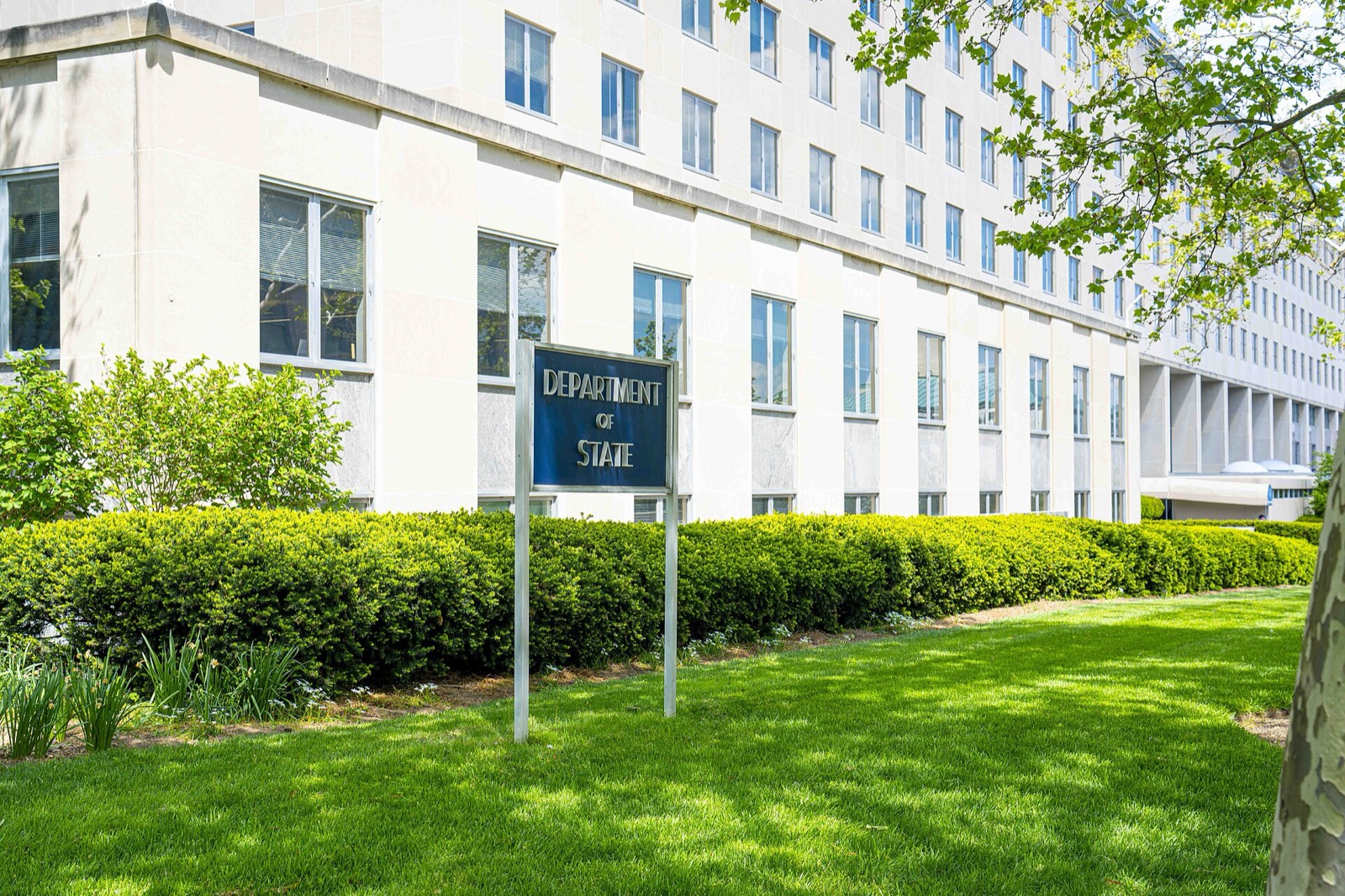
Designated sponsors are responsible for all aspects of your exchange program, including screening you and monitoring you in the United States. Only a designated sponsor can issue your DS-2019, and the rules give it a long list of duties. The apply hub shows where choosing one fits in the process.
The short version
- Search the State Department list and pick Summer Work Travel as the program.
- Find your sponsor’s exact legal name on that list before you pay anything.
- Ask who will issue your DS-2019, because only a designated sponsor can.
- Ask for the list of all fees you will pay and the job terms in writing.
- Remember that a recruiter in your country is not your sponsor.
How to find a designated sponsor
Start with the State Department’s sponsor search page, titled Designated Sponsor Organizations By Program. Pick Summer Work Travel as the program. The page lists each organization’s address, which is its location as a designated sponsor.
Do not choose a sponsor by where its office is. Many sponsors can place participants anywhere in the United States, regardless of their listed location, so ask each one for its details. Check a company against this list before you pay it anything.
The State Department program page is where the program rules sit. Eligibility explains whether you qualify before you contact anyone, and how to apply lists the steps after you pick one.
Designated Summer Work/Travel sponsors on the State Department list
The table below copies the Summer Work/Travel rows of the State Department’s sponsor search, pulled October 20, 2026. It shows the name and the city of the listed office. The State Department does not recommend or rate any designated sponsor, so a place on this list is not a ranking. Designation indicates that a sponsor has complied with the regulations for obtaining designation and is in good standing.
| Sponsor (as listed) | Listed office |
|---|---|
| American Exchange Organization, Inc. | Springfield, VA |
| United Work and Travel, a Division of APEI | Owings Mills, MD |
| American Work Adventures, Inc. | Arlington, VA |
| ASSE Aspire, Inc. | Laguna Beach, CA |
| CampGroup, LLC | White Plains, NY |
| Camp Counselors USA/Work Experience USA | San Rafael, CA |
| International Cultural Exchange Organization Inc. | Folsom, CA |
| International Educational Exchange, Inc. | Hilton Head Island, SC |
| International Exchange of North America, Inc. | Hackettstown, NJ |
| Ireland Institute of Pittsburgh | Pittsburgh, PA |
| InterExchange,Inc. | New York, NY |
| International Training and Exchange, Inc. dba Intrax | San Francisco, CA |
| Janus International Hospitality Student Exchange | Boca Raton, FL |
| Life Adventures, Inc. | Riverview, FL |
| Cultural Homestay International | San Rafael, CA |
| CIEE, Inc. | Portland, ME |
| CSB International, Inc. | Bay Shore, NY |
| A Cultural Exchange Service, Inc. | Riverview, FL |
| Educational Resource Development Trust | Santa Monica, CA |
| Walt Disney Parks and Resorts, U.S., Inc. | Lake Buena Vista, FL |
| Dynamic Global Exchange, Inc. | Bingham Farms, MI |
| Global Educational Concepts, Inc. | Nashville, TN |
| GeoVisions, Inc | Austin, TX |
| Greenheart Exchange | Chicago, IL |
| ICCE, Inc. | Los Angeles, CA |
| LifeTRAVELED, Inc. | Westlake Village, CA |
| American Journey Cultural Exchange | Summerland Key, FL |
| American Work Experience | Greenwich, CT |
| Cultural Exchange Network, Inc. | Cape Girardeau, MO |
| ELEVATE CULTURAL EXCHANGE LLC | Long Island City, NY |
| Foundation for Worldwide International Student Exchange | Dyersburg, TN |
| American Institute For Foreign Study - Campower Program | Stamford, CT |
| Greenwood Lake Gaelic Cultural Society, Inc. | Greenwood Lake, NY |
| United Studies, Inc. | Hot Springs, AR |
| Alliance Abroad Group Inc. | Austin, TX |
| Spirit Cultural Exchange, Inc. | Oak Park, IL |
The State Department list shows Greenheart Exchange twice at the same Chicago address, written once as Suite 300 and once as Ste 300, so it appears once above. The addresses on the list are the locations of the designated organizations, not the place you will work. A name that is not in the Summer Work/Travel category of this list is not a designated Summer Work/Travel sponsor. The same page also covers other programs, such as Au Pair, Intern and Camp Counselor, in separate categories.
How to check a sponsor before you pay
- Find the exact legal name on the State Department list above. Foreign nationals must be sponsored by a State Department-designated sponsor to take part in the Exchange Visitor Program.
- Ask who will issue your Form DS-2019. Only designated sponsors are authorized to issue it to the people they select for their program.
- Ask for the itemized list of all fees you will pay, including fees paid to the sponsor or to a third party. The regulation requires it at the pre-arrival stage.
- Ask for the job terms in writing: employer name and address, position duration, job duties, number of work hours, wages, other compensation and benefits, and deductions from wages.
- Ask for the sponsor’s 24/7 immediate contact telephone number and the State Department’s toll-free help line number, which it must give you before you leave home.
A recruiter or agent in your own country is not the same as the sponsor. The sponsor is the designated organization that issues your DS-2019, and it is the one responsible for screening you, supporting you and monitoring you during your stay.
What a sponsor must do before you leave home
Sponsors are responsible for the effective administration of their exchange visitor programs. The rules set out what a sponsor owes you before departure. The list below is from the regulation, not a sponsor’s marketing:
- Interview you in person or by video conference, and document it, under 22 CFR 62.32.
- Verify your conversational English and reading comprehension, by recognized test or through the required documented interviews.
- Select applicants who show an intention to take part in the cultural aspects of the program.
- Give you a copy of the Department of State’s Summer Work Travel Participant Letter.
- Give you its 24/7 immediate contact phone number.
- Give you the State Department’s toll-free help line number.
- Give you an itemized list of all fees you will pay, under 22 CFR 62.10.
- Describe the housing provided and its expected cost.
- Explain wages and any deductions for housing and transport.
- Explain health care and insurance costs and requirements.
Sponsors must also consider affordable housing and reliable, affordable transport to and from work when they place you.
Jobs: who finds them, and who checks them
If you are not from a visa waiver country, the sponsor must provide pre-arranged, fully vetted employment. Participants from visa waiver countries can arrive without a job, but the sponsor must ensure they have enough money to live on during the search. For visa waiver participants without a job, the sponsor must also give pre-departure information on how to seek employment and secure lodging in the United States. If you cannot find work on your own after one week, it must make reasonable efforts to secure suitable employment for you.
When you find a job after you arrive, the sponsor must vet it within 72 hours. It must confirm each job placement before you start work. Employers must tell the sponsor when you arrive at the work site and when jobs change. A host employer cannot have had layoffs in the past 120 days or have workers on lockout or on strike.
Sponsors may place you only in seasonal or temporary jobs, as the program dates page explains, and must use extra caution with lines of business frequently associated with trafficking persons. A J-1 holder may only do the activity listed on the DS-2019, so working for another employer needs the approval of the sponsor’s Responsible or Alternate Responsible Officer.
Orientation and what you must be told
A sponsor must offer an appropriate orientation and record that you took part. The orientation must include:
- Sponsor rules that you must follow during the program.
- The name and address of the sponsor, and the name, email address and telephone number of the Responsible Officer and Alternate Responsible Officer.
- The address, telephone number, website and email address of the Office of Designation.
- The Wilberforce Pamphlet on the Rights and Protections for Temporary Workers.
- Information on any payment you will receive and on deductions from wages, including for housing and transportation.
- Information on how and when to apply for a Social Security number, if applicable, and on how to open a bank account.
How sponsors must vet overseas agents and employers
The person who recruits you in your home country is usually not the sponsor. Sponsors that use foreign partners for screening and orientation must first obtain written and executed agreements with them. Those agreements must include annually updated price lists that itemize all costs charged to participants. They must also confirm that the foreign partner agrees not to pay or provide incentives to US employers to accept participants.
Before working with an overseas agent, a sponsor must review documentation each year, including:
- proof of business licensing or registration where the agent operates;
- written references from three current business associates or partner organizations;
- criminal background check reports for all owners and officers;
- a copy of the sponsor-approved advertising materials the agent intends to use to market the program.
A sponsor must use only vetted foreign entities listed on its Foreign Entity Report for these core functions outside the United States. Sponsors must also establish internal controls to make sure that employers and foreign entities comply with the terms of their agreements.
Employers get checked too. Sponsors must contact a potential employer in person or by telephone to verify the owners’ or managers’ names, telephone numbers, email addresses, street addresses and professional activities. They must also obtain the employer’s Employer Identification Number and copies of current business licenses, and verify its Worker’s Compensation Insurance policy or equivalent in each state where a participant will be placed.
Wages, hours and what a sponsor may not do
Sponsors must inform you of Federal, State and Local Minimum Wage requirements. At a minimum you must be paid the higher of the applicable minimum wage, including overtime, or pay and benefits commensurate with those offered to similarly situated US counterparts. If an employer pays by the piece, such as rooms cleaned, and your earnings at the end of a pay period fall below the required local wage, your pay must be supplemented at that time.
Host employers must agree to make good faith efforts to provide the paid weekly hours shown on your job offer, and to pay eligible participants overtime under applicable State or Federal law. They must notify the sponsor when you arrive, when the job changes, when you are not meeting the requirements of the placement, and when you leave a position ahead of your planned departure. Where an employer provides housing or transportation, it must agree to provide suitable and acceptable accommodations or reliable, affordable and convenient transportation.
Some things a sponsor may not do:
- Pay or provide any incentive to employers to accept participants.
- Pose obstacles to job changes; it must offer reasonable assistance to participants who want to change jobs.
- Place you with a staffing agency unless the placement meets three criteria on employment, supervision and control of the work site.
- Place you in a sales job that requires you to buy inventory to sell in order to support yourself.
- Place you in any position in the adult entertainment industry.
The eligibility page covers the full list of excluded jobs.
What sponsors report to the State Department
Sponsors must submit placement reports on January 31 and July 31 of each year. They must also submit annual participant price lists to the State Department on January 31 of each year, itemizing the costs that exchange visitors must pay to foreign agents and sponsors.
Contact, safety and monitoring in the US
A sponsor must keep at least monthly personal contact with you. The contact may be in person, by phone or by email, and must be documented. Health, safety and welfare issues raised in those contacts must be addressed promptly.
Employers must contact the sponsor immediately in an emergency involving a participant. Employees of the sponsor must monitor your participation, and the sponsor must monitor the physical site of your activity and your welfare. It must also ensure your activities match the category and activity on your Form DS-2019.
You have duties too. Report changes of phone, email, US address and site to the sponsor within ten calendar days. That matches the ten days after arrival and after each change of residence in the Summer Work Travel rules. The sponsor, for its part, must report your address or site changes in SEVIS within ten business days of being told.
If something goes wrong: how to report a sponsor
The State Department staffs a J-1 Visa Emergency Hotline, 1-866-283-9090, available 24 hours a day, 7 days a week. It was set up so that participants can be treated fairly and report abuse without retaliation or threat of program cancellation. Anyone concerned about a participant, not only the participant, can use the hotline or email.
| Who to contact | For what | Number or address |
|---|---|---|
| J-1 Visa Emergency Hotline | Health, safety, mistreatment, any time of day | 1-866-283-9090 |
| State Department J-1 mailbox | J-1 visa questions | jvisas@state.gov |
| National Human Trafficking Resource Center | Trafficking | 1-888-373-7888 |
| Trafficking in Persons and Worker Exploitation Task Force | Worker exploitation | 1-888-428-7581 |
| Emergency services | Immediate physical danger | 911 |
SEVIS registration questions go to your sponsor, which is responsible for assisting and advising you on all matters of your program. Visa status questions go to USCIS, whose customer service number is (800) 375-5283.
Retaliation is not allowed. No sponsor or sponsor employee may threaten program termination, remove you from the program, adversely annotate your SEVIS record, or otherwise retaliate against you solely because you filed a complaint. The same protection covers consulting an advocacy organization, a community organization, a legal assistance program or an attorney about a work-related legal matter.
Insurance and fees
Sponsors must require sickness and accident insurance in effect while you take part, under 22 CFR 62.14. Minimum medical benefits are $100,000 per accident or illness, repatriation of remains is $25,000 and medical evacuation is $50,000. A sponsor may not charge you fees for providing coverage beyond demonstrable and justifiable staff time.
The sponsor must give you an itemized list of fees before you commit. The program cost page covers what a season costs. The SEVIS fee is separate from visa fees and school SEVIS administration fees.
When a sponsor can end your program
Sponsors must tell you that they will terminate the programs of participants who fail to comply with the listed program regulations. They must also end participation if they determine a participant willfully failed to keep insurance. Sponsors keep program records for at least three years after the program ends, and must cooperate with State Department or DHS inquiries and investigations.
Questions applicants ask
How to find a J-1 visa sponsor?
Use the State Department's list, Designated Sponsor Organizations By Program, and pick the Summer Work Travel program. The addresses shown are the listed locations, and many sponsors can place participants anywhere in the United States. Ask each sponsor about its details directly.
Who can sponsor my J-1 visa?
Only a sponsor designated by the State Department can sponsor you; foreign nationals must be sponsored by one of them. The sponsor interviews you, vets your job and monitors you through your season.
Which companies sponsor J-1 visa programs?
The State Department's sponsor search, pulled October 20, 2026, has a Summer Work/Travel category with names such as CIEE, InterExchange and Intrax. The full table is below, and the State Department does not recommend or rate any sponsor.
What does a J-1 sponsor have to do for me?
Before departure it must give you its 24/7 phone number and the State Department help line. It must keep at least monthly personal contact with you. It must give you an itemized list of all fees you will pay.
Do I pay my sponsor for insurance?
The sponsor must require insurance covering you for the full program. It may not charge you for providing coverage beyond demonstrable and justifiable staff time. Medical benefits must be at least $100,000 per accident or illness.
Who do I call if my sponsor mistreats me?
Call the J-1 Visa Emergency Hotline at 1-866-283-9090, open 24 hours a day, 7 days a week, or email jvisas@state.gov. A sponsor may not threaten termination or otherwise retaliate against you for filing a complaint.
Read next
Apply
J-1 Summer Work and Travel Eligibility: Who Qualifies and What Rules Apply
Who can join J-1 Summer Work and Travel: student status, English, job placement, banned jobs, insurance minimums and the 2026 entry rules that can block travel.
Apply
How to Apply for J-1 Summer Work and Travel: Steps from Sponsor to Visa
Apply for J-1 Summer Work and Travel step by step: choose a sponsor, interview, get a job, receive the DS-2019, pay the SEVIS fee and attend the visa interview.
Apply
Work and Travel USA Program Cost: Government Fees, Sponsor Fees and What You Pay Yourself
What a J-1 Summer Work and Travel season costs: the $35 SEVIS fee, the visa fee, sponsor fees from CIEE and InterExchange, insurance minimums and arrival cash.
Sources
- Summer Work Travel (J-1 BridgeUSA, U.S. Department of State) · U.S. Department of State, Bureau of Educational and Cultural Affairs · j1visa.state.gov · checked October 20, 2026
- Designated Sponsor Organizations By Program (J-1 BridgeUSA sponsor list, U.S. Department of State) · U.S. Department of State, Bureau of Educational and Cultural Affairs · j1visa.state.gov · checked October 20, 2026
- 22 CFR 62.32 Summer work travel (eCFR) · eCFR (U.S. Government Publishing Office) · ecfr.gov · checked October 20, 2026
- 22 CFR 62.10 Program administration (eCFR) · eCFR (U.S. Government Publishing Office) · ecfr.gov · checked October 20, 2026
- 22 CFR 62.14 Insurance (eCFR) · eCFR (U.S. Government Publishing Office) · ecfr.gov · checked October 20, 2026
- I-901 SEVIS Fee (ICE, Student and Exchange Visitor Program) · U.S. Immigration and Customs Enforcement · ice.gov · checked October 20, 2026
- Contacts (J-1 BridgeUSA, U.S. Department of State) · U.S. Department of State, Bureau of Educational and Cultural Affairs · j1visa.state.gov · checked October 20, 2026
- Common Questions for Participants (J-1 BridgeUSA, U.S. Department of State) · U.S. Department of State, Bureau of Educational and Cultural Affairs · j1visa.state.gov · checked October 20, 2026
- Common Questions for Program Sponsors (J-1 BridgeUSA, U.S. Department of State) · U.S. Department of State, Bureau of Educational and Cultural Affairs · j1visa.state.gov · checked October 20, 2026
Image credits (1)
- U.S. Department of State / Wikimedia Commons · Public domain · source

Fees, forms and wage rates change: each source shows the date it was checked. How we check facts · Report an error.