On this page
- The short version
- The two government fees
- Who pays the SEVIS fee: you or the sponsor
- Sponsor program fees: what the price pages show
- What the program fee covers, and what it does not
- The fee list your sponsor must give you
- Insurance: required minimums and what the fee should cover
- Cash for the first weeks
- What your wages offset
- How to compare two offers
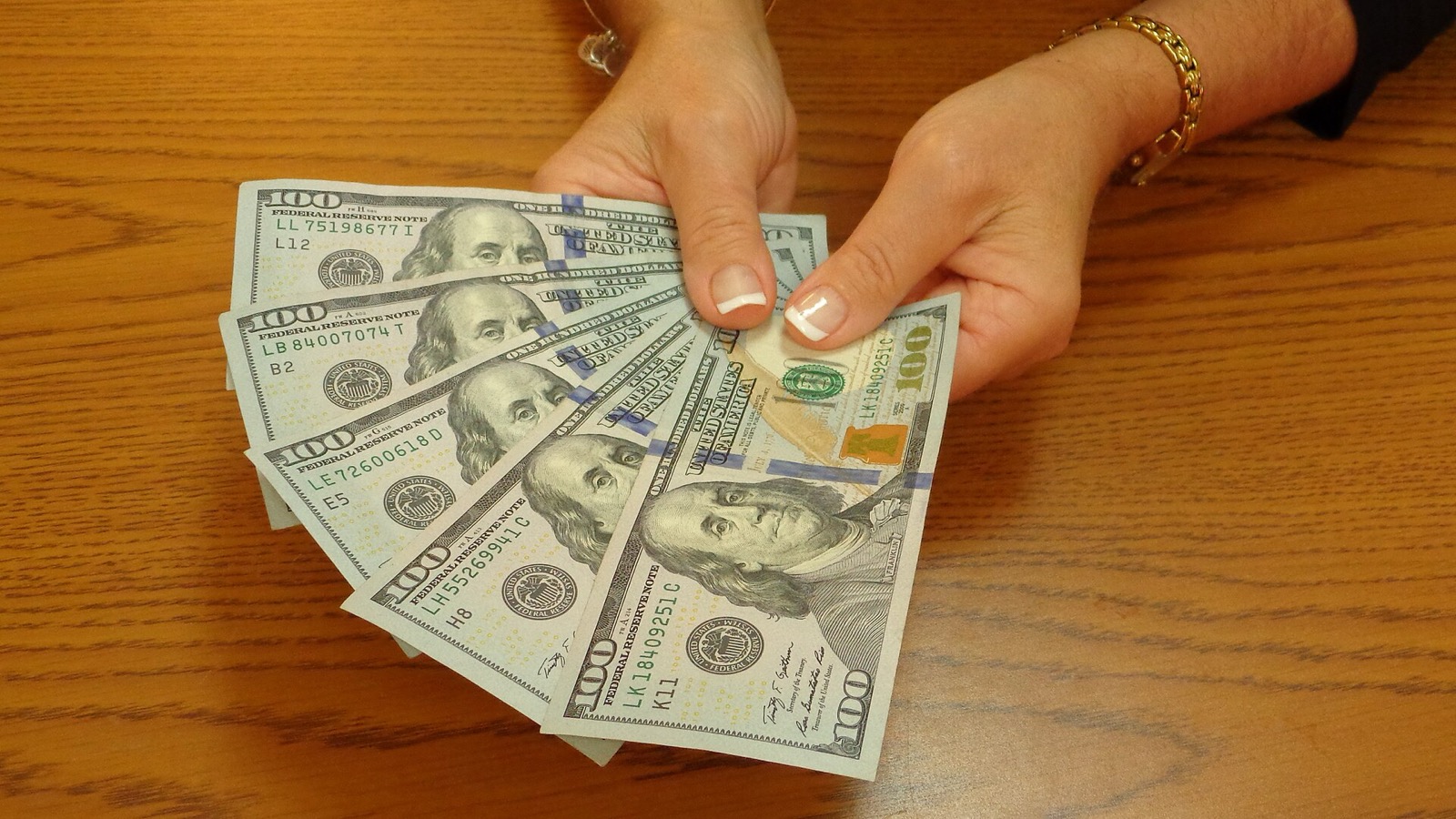
Three different payers share the bill for a season. The US government charges two fees, your sponsor charges a program fee, and you pay for travel and living costs yourself. This page keeps those three apart and gives each line its source and date. The apply hub covers the other steps.
The short version
- Pay the SEVIS fee before your visa interview, or your visa application will be denied.
- Pay the visa application fee, which is non-refundable.
- Ask your sponsor for a breakdown of all costs and fees.
- Check what the program fee includes before you compare two prices.
- Keep at least $1,500 in cash for the weeks before your first paycheck.
The two government fees
Summer Work Travel participants pay a $35 SEVIS fee. The ICE fee list gives $220 as the full payment for J visa applicants outside the special subsidized categories. The fee is separate from visa fees. There are no fee waivers, but a third party may pay it for you.
The second fee is the visa application fee. The State Department fee table lists $185 for a non-petition nonimmigrant visa. That table is the 2025 capture seen on 2026-10-20, so check the current table before you pay. The fee is non-refundable. The same table lists no fee for J applicants in US Government-sponsored educational and cultural exchanges.
| Fee | Amount | Paid to | Source |
|---|---|---|---|
| I-901 SEVIS fee, Summer Work Travel | $35 | Department of Homeland Security | |
| Visa application processing fee | $185, non-refundable (2025 table) | The US embassy or consulate |
Pay the SEVIS fee before the visa interview. The ICE fee FAQ is direct: you must pay it before going to the embassy or consulate. If you are required to pay and do not, your visa application will be denied. For the full process, see the SEVIS fee page.
Who pays the SEVIS fee: you or the sponsor
Sponsors may pay the SEVIS fee for you but are not required to. The sponsor tells you whether you pay it to DHS or whether it is already part of your program fees. If your sponsor pays, it gives you a receipt confirming payment. If the fee does not go to SEVP, you are still required to pay the SEVIS I-901 fee.
Sponsor program fees: what the price pages show
Sponsors charge participants program fees unless the exchange is federally funded. Fees vary from sponsor to sponsor, by exchange category, program and duration. Ask your sponsor for a breakdown of all costs and fees.
Two designated sponsors publish prices. These are each sponsor’s own figures, seen on 2026-10-20, and they are not a price for every program.
CIEE publishes a Fee Disclosure page that lists the maximum fee payable by country, in the currency used for payment. A sample of its Work & Travel USA rows:
| Country | CIEE maximum Work & Travel USA fee | Source |
|---|---|---|
| Bulgaria | 699 USD | |
| Thailand | 1,287 USD | |
| Romania | 1,481 USD | |
| Japan | 1,571 USD | |
| Peru | 1,718 USD | |
| Mexico | 1,745 USD | |
| Jamaica | 1,705 USD | |
| Brazil | 2,060 USD | |
| Poland | 2,290 USD | |
| Turkey | 2,395 USD | |
| Ukraine | 2,775 USD | |
| China | 3,849 USD |
The spread is large: Bulgaria is 699 USD and China 3,849 USD. The page lists the maximum fee payable by country, in the currency used for payment.
InterExchange, another sponsor, shows a single dollar figure on some country pages. Its Australia page lists $1500 USD. Its New Zealand page lists $1500 USD. Its Jamaica page lists $1,520 USD, with a full refund of $1,520 if you cancel for any reason. For other countries it says to contact the InterExchange cooperator in your home country for specific amounts. Alliance Abroad Group also says its fees vary by region and that you should contact its team.
What the program fee covers, and what it does not
Read the “includes” list before you compare two prices. The CIEE fee covers a program fee, an application fee, agent support before departure, CIEE support in the US, orientation and an insurance plan. It also includes the SEVIS fee and the visa interview fee, both described as US government fees. The CIEE fee does not include round-trip airfare, the cost of living in the United States or passport application fees.
InterExchange’s country pages list the $1500 USD as covering program fees, SEVIS fees, insurance for the duration of the program and processing fees for visa sponsorship forms, while the government’s own rule is that the sponsor tells you whether SEVIS is already part of your fees. The Jamaica page uses the same list. InterExchange adds that you are responsible for costs such as rent, food and entertainment.
Each exchange visitor who applies for a visa at a US embassy or consulate must pay the visa application processing fee. When a price page does not say whether that fee is inside the price, ask.
The fee list your sponsor must give you
Federal rules make hidden costs harder. Before you leave, your sponsor’s pre-arrival information must, under 22 CFR 62.10, include an itemized list of all fees you will pay, meaning fees paid to the sponsor or a third party. It must also describe other costs you will likely incur, such as insurance, living expenses and transportation. Housing, with its expected cost to you, is part of that information as well.
Behind that sits a reporting rule for the overseas agents who sell the program. Sponsors must include annually updated price lists, with itemizations of all costs charged to participants, in agreements with foreign entities that market Summer Work Travel. Sponsors must submit annual participant price lists to the Department of State on January 31 of each year. Those lists break down what exchange visitors pay to both foreign agents and sponsors, country by country. Ask your agent for the itemized list in writing before you pay anything.
Insurance: required minimums and what the fee should cover
Insurance is a required cost, set by regulation. Under 22 CFR 62.14, sponsors must require that you have sickness and accident insurance in effect for the period of your program. The minimums are:
| Coverage | Minimum | Source |
|---|---|---|
| Medical benefits | $100,000 per accident or illness | |
| Repatriation of remains | $25,000 | |
| Medical evacuation to your home country | $50,000 | |
| Deductible | Not more than $500 per accident or illness |
Co-insurance may require you to pay up to 25% of covered benefits. Sponsors are not authorized to charge fees for providing coverage beyond demonstrable and justifiable staff time. CIEE provides medical insurance as a program benefit, and its insurance does not cover routine medical procedures or checkups. See health insurance for the coverage rules in full.
Cash for the first weeks
You cover all your expenses until the first paycheck, and CIEE puts the minimum at $1,500. InterExchange’s estimates for Work & Travel USA show where that cash goes. These are one sponsor’s estimates, not government figures.
| Item | InterExchange estimate | Source |
|---|---|---|
| Initial expenses (airport transport and a week in a hostel or budget hotel) | $300 to $500 | |
| Housing | $125 to $150 per week | |
| Utilities | $100 to $125 per month | |
| Food | $100 to $250 per month or more | |
| Additional transportation | $50 to $100 per month | |
| Initial costs and deposits on arrival (suggested budget) | At least $900 to $1200 |
The majority of InterExchange participants spend between $3,500 and $4,000 throughout their stay. Its housing guide gives shared housing at $80 to $120 per week depending on location, and its cooperator guide gives an average of about $80 per week, up to $125 in certain resort areas, with some housing free. Deposits can reach $400 due on arrival. Opening a bank account usually needs a deposit of $25 to $100. The budget page puts these lines in one list.
If housing is deducted from your pay, the amount must appear in your pre-arrival information, which lists deductions taken for housing and transportation. Sponsors must also consider affordable housing and transport when placing you.
What your wages offset
Participants must be paid at least the higher of the federal, state or local minimum wage. The federal figure is $7.25 per hour for covered nonexempt workers. A tipped worker must receive a cash wage of at least $2.13 per hour, and the maximum tip credit is $5.12 per hour. Pay and wages covers state rates and overtime, and it is the right place to estimate earnings for your state.
Employers must make good faith efforts to provide the paid weekly hours stated on your job offer.
How to compare two offers
- Ask each agent for the itemized fee list in writing, as federal rules require sponsors to give one.
- Check whether the SEVIS fee is inside the price or paid by you.
- Check whether the visa fee, airfare and insurance are listed as included or excluded.
- Pay the SEVIS fee before the visa interview if the sponsor has not paid it for you.
- Keep four months as the program limit when you plan the budget: the maximum length is four months.
Questions applicants ask
How much does the Work and Travel USA program cost?
It depends on the sponsor and your country. CIEE lists maximum fees by country, from 699 USD for Bulgaria to 3,849 USD for China. InterExchange lists $1500 for Australia and New Zealand. The SEVIS fee and visa fee come on top unless the sponsor's fee includes them.
Who is eligible for work and travel?
Full-time students enrolled at post-secondary accredited institutions outside the United States. Applicants must have completed at least one semester of post-secondary study.
Does the work and travel program still exist?
Yes. The State Department's BridgeUSA page describes Summer Work Travel as a program that lets foreign students live and work in the United States during their summer vacation. Sponsors such as CIEE and InterExchange publish fees for it.
How much can you earn on work and travel?
Pay is at least the higher of the federal, state or local minimum wage. The federal minimum is $7.25 per hour. Tipped workers get a cash wage of at least $2.13 per hour, with tips making up the rest.
What is the work and travel USA program?
It is an exchange program that gives foreign students the chance to live and work in the United States during their summer vacation from college or university. The maximum length is four months.
Is the SEVIS fee included in the program fee?
Sometimes. Your sponsor tells you whether you pay the $35 SEVIS fee yourself or whether it is already part of your program fees. CIEE and InterExchange list it inside their fee.
Read next
Money
How Much Money You Need for Work and Travel USA: Sourced Costs and Wage Floors
A line-by-line budget for a J-1 Summer Work and Travel season: SEVIS and visa fees, housing deposits, wage floors, tax and bank costs, each with its source.
Apply
I-901 SEVIS Fee for J-1 Summer Work and Travel: Amount, How to Pay, Receipt
Summer Work and Travel participants pay a reduced I-901 SEVIS fee of $35, before the visa interview. How to pay, what the receipt is, and what else costs money.
Apply
J-1 Summer Work and Travel Sponsors: List, How to Check One, What It Must Do
The State Department's list of designated Summer Work Travel sponsors, how to check one before you pay, what it must do for you, and where to report problems.
Sources
- Eligibility and Fees (BridgeUSA, U.S. Department of State) · U.S. Department of State, Bureau of Educational and Cultural Affairs · j1visa.state.gov · checked October 20, 2026
- I-901 SEVIS Fee Frequently Asked Questions (ICE, Student and Exchange Visitor Program) · U.S. Immigration and Customs Enforcement (DHS), SEVP · ice.gov · checked October 20, 2026
- Fees for Visa Services (U.S. Department of State, travel.state.gov; via Wayback capture 2025, seen 2026-10-20) · U.S. Department of State, Bureau of Consular Affairs · travel.state.gov · checked October 20, 2026
- Fee Disclosure, Work & Travel USA (CIEE, a designated J-1 sponsor) · CIEE (designated J-1 sponsor) · ciee.org · checked October 20, 2026
- Work & Travel USA for Australian citizens, how it works (InterExchange) · InterExchange (designated J-1 sponsor) · interexchange.org · checked October 20, 2026
- Work & Travel USA for New Zealand citizens, how it works (InterExchange) · InterExchange (designated J-1 sponsor) · interexchange.org · checked October 20, 2026
- Work & Travel USA for Jamaican citizens, how it works (InterExchange) · InterExchange (designated J-1 sponsor) · interexchange.org · checked October 20, 2026
- Health and Finances, Work & Travel USA (CIEE) · CIEE (designated J-1 sponsor) · ciee.org · checked October 20, 2026
- Summer Work Travel (J-1 BridgeUSA, U.S. Department of State) · U.S. Department of State · j1visa.state.gov · checked October 20, 2026
- 22 CFR 62.32 Summer work travel (eCFR) · eCFR (U.S. Government Publishing Office) · ecfr.gov · checked October 20, 2026
- Minimum Wage / Fair Labor Standards Act (U.S. Department of Labor) · U.S. Department of Labor, Wage and Hour Division · dol.gov · checked October 20, 2026
- Fact Sheet 15: Tipped employees under the FLSA (U.S. Department of Labor) · U.S. Department of Labor, Wage and Hour Division · dol.gov · checked October 20, 2026
- I-901 SEVIS Fee (ICE, Student and Exchange Visitor Program) · U.S. Immigration and Customs Enforcement (DHS), SEVP · ice.gov · checked October 20, 2026
- Work & Travel USA, how it works (InterExchange) · InterExchange (designated J-1 sponsor) · interexchange.org · checked October 20, 2026
- Summer Work & Travel (Alliance Abroad Group, a designated J-1 sponsor) · Alliance Abroad Group (designated J-1 sponsor) · allianceabroad.com · checked October 20, 2026
- 22 CFR 62.10 Program administration (eCFR) · eCFR (U.S. Government Publishing Office) · ecfr.gov · checked October 20, 2026
- 22 CFR 62.14 Insurance (eCFR) · eCFR (U.S. Government Publishing Office) · ecfr.gov · checked October 20, 2026
- Estimated Cost of Living, Work & Travel USA (InterExchange) · InterExchange (designated J-1 sponsor) · interexchange.org · checked October 20, 2026
- Housing guide, Work & Travel USA (InterExchange) · InterExchange (designated J-1 sponsor) · interexchange.org · checked October 20, 2026
- Housing, Work & Travel USA cooperator guide (InterExchange) · InterExchange (designated J-1 sponsor) · interexchange.org · checked October 20, 2026
- Checklist for opening an account (CFPB) · Consumer Financial Protection Bureau · files.consumerfinance.gov · checked October 20, 2026
Image credits (1)
- DigiGal DZiner / Wikimedia Commons · CC BY-SA 4.0 · source

Fees, forms and wage rates change: each source shows the date it was checked. How we check facts · Report an error.