On this page
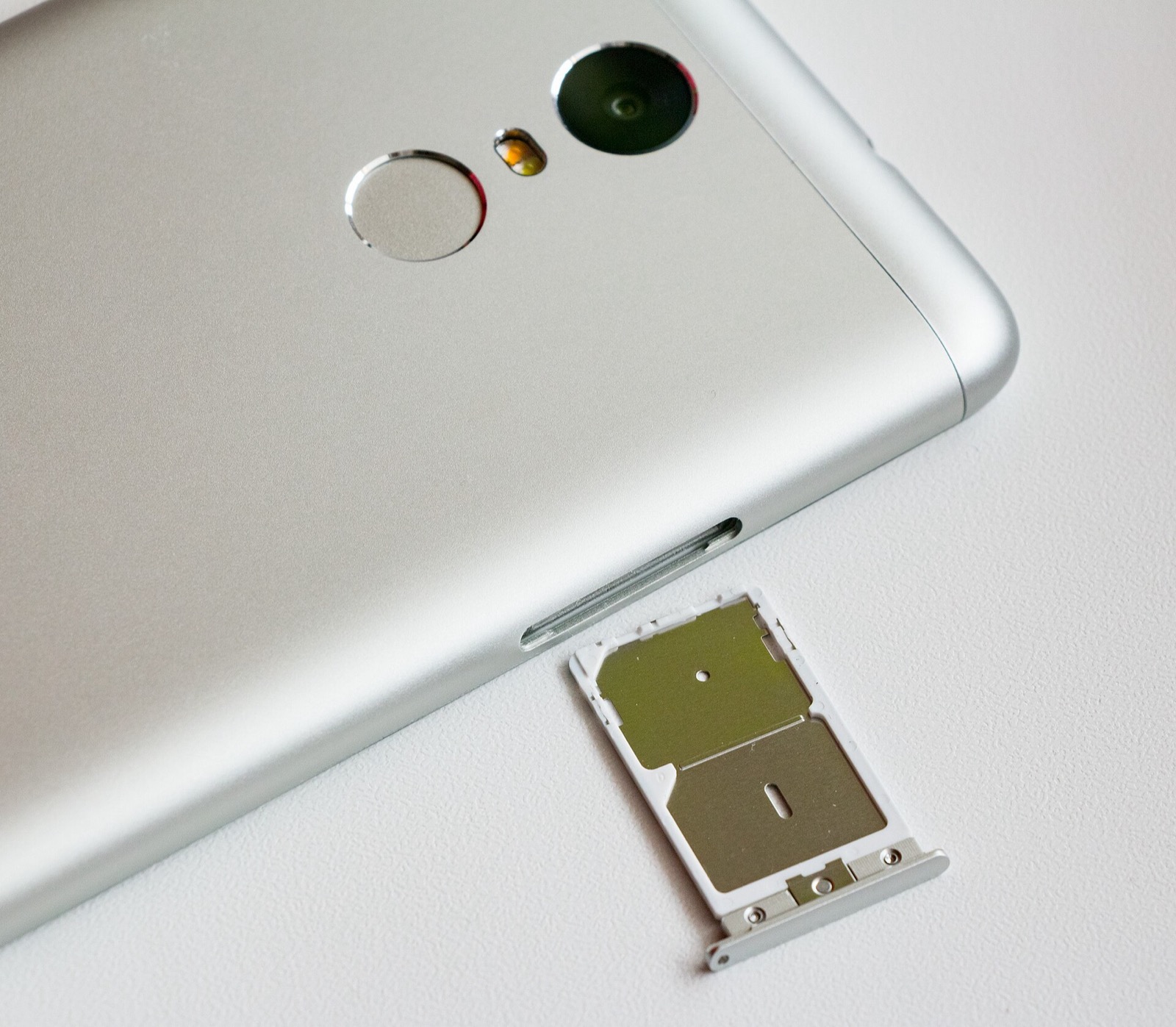
A US phone number does real work on this program: banking, housing and two-factor codes all lean on it. This page covers the rules that touch your phone, how to choose a plan, and the safety basics. The arrival hub lists the other first-week tasks, including the first-week checklist.
The short version
- Check that your phone is unlocked before you buy a plan.
- Compare plans by monthly cost, coverage and calling rates.
- Think about a prepaid plan, which usually needs no credit check.
- Check whether your eSIM plan gives you a US phone number.
- Send your new number to your sponsor within ten calendar days of any change.
Why a US number matters
A US phone number is important for university communications, banking, housing, transportation apps and two-factor authentication (a university guide for international students). On this program there is a rule behind it too, in 22 CFR 62.10. You must report to your sponsor within ten calendar days any change in your telephone number, email address, US address or site of activity. You must also notify your sponsor within ten days after you arrive and within ten days after you first secure or change a residence.
Save these numbers in your phone before you fly. Sponsors must give you their immediate contact telephone number, staffed around the clock, and the State Department’s toll-free help line number. Add them to your contacts right away.
Check your phone first
Before you buy anything, find out if your phone is locked. A device that works on one wireless provider’s network may not be technologically compatible with another’s. Unless a phone is specifically sold as unlocked at the point of purchase, it is probably locked to one provider’s network. When shopping for a new or used phone, ask whether it is locked or unlocked.
Locking can apply to physical SIM cards and to eSIMs. Even a phone bought at full price may be locked for a short period, such as 60 days, to help prevent theft and certain types of fraud. Confirm that your phone is unlocked and can be used with another carrier before you plan to use a US SIM.
If you need to unlock a phone, ask your current provider. If you owe money or are under contract, a provider may refuse until you pay the balance or meet the contract terms. Under the wireless industry’s CTIA code, carriers unlock eligible devices within two business days of a request. For prepaid service the FCC unlocking guide gives an outer limit of one year after initial activation. Participating providers agreed not to charge existing or former customers an extra fee to unlock an eligible device.
Also ask about roaming. International roaming may be available, but it can be costly for extended stays.
Selecting a phone plan
US plans come in two kinds. Postpaid plans are billed at the end of the month after service and often require a credit check to start an account. Prepaid plans require you to pay upfront at the beginning of the month and typically do not require a credit check.
What a carrier asks for depends on the company. Depending on the provider, you may be asked for a Social Security number when opening an account, and some companies require a security deposit if you have no established US credit history. The law does not require one for a phone: a Social Security number is not required to obtain a cell phone. Banks are similar. On Chase’s own guide, international students may not need a US phone number or Social Security number to open a checking account.
Compare plans on the factors a university guide lists: monthly costs, coverage in your area, international calling and texting rates, data allowances, overage fees and any additional charges. Providers such as T-Mobile, Mint Mobile and Tello are commonly used by international students, and the same guide advises comparing features, coverage and pricing. That is a list of examples, not a ranking.
Get a prepaid plan
Prepaid suits a short season: it is a popular option because there is no long-term contract, and it is generally easy to set up. Carriers say the same. AT&T’s own prepaid page lists no annual contracts and no credit checks, and Verizon’s own page lists no annual contracts or credit checks too. AT&T lists no activation fee for online orders. These are each carrier’s own pages, seen October 20, 2026.
Pricing changes, so read the offer terms. On the capture seen October 20, 2026, AT&T’s page offered a year of unlimited talk, text and data for $240 paid upfront. A year-long plan is more than a four-month season needs, so check the plan length first.
The steps to start service, in order:
- Confirm the phone is unlocked.
- Choose a plan and check for sign-up requirements such as an SSN, credit check or deposit.
- AT&T Prepaid points bring-your-own-phone customers to its prepaid online activation page.
- With AT&T Prepaid you activate a device by inserting the SIM and turning on the phone, and an eSIM phone follows device-specific instructions.
- AT&T Prepaid needs its own SIM card or eSIM activation kit and a new AT&T Prepaid account.
- Send your new number to your sponsor within ten calendar days of any change.
SIM or eSIM
An eSIM is hardwired into the phone itself. It cannot be stolen without stealing the phone, unlike a removable SIM card. With an unlocked phone and an eSIM, you no longer need to physically swap a SIM card to change providers. Some phones hold both a SIM and an eSIM, allowing two separate numbers.
The catch for a long stay: while eSIMs can be convenient, especially for short-term travel, many eSIM plans do not provide a US phone number. Check that yours does if you need it for banking or two-factor codes. When you replace your phone, wipe all data from the eSIM before you dispose of or recycle the device.
Calling 911 and texting for help
Wireless providers must transmit all 911 calls, whether or not the caller subscribes to the provider’s service (FCC wireless 911 guide). Tell the emergency operator the location of the emergency right away. Be ready to give your phone number so the operator can call back if the call drops. If you have no service contract and the call drops, you must call back yourself, because the operator will not have your number.
Text-to-911 is only available in certain locations, so always make a voice call if you can. Many emergency operators currently lack the technical capability to receive texts, photos and videos. Where text-to-911 is not available, carriers must send an automatic bounce-back message. Lock your keypad when you are not using the phone, to help prevent accidental calls to 911.
Phone scams to expect
A recorded sales message is almost always illegal. Pressing numbers to speak to someone or be removed from the list will probably only lead to more robocalls. Caller ID is easy to fake, so even a call that seems to come from a company you know cannot be trusted. Scammers do not care if you are on the National Do Not Call Registry, and call blocking can help reduce the unwanted calls. Report illegal calls to the FTC at DoNotCall.gov.
The scams page covers more cases. One more use for the phone: you may satisfy the requirement to carry evidence of registration by carrying a mobile device that can display it.
Questions new arrivals ask
What is the best SIM card for J1 students in the USA?
No SIM is best for everyone, and carriers change prices often. Check three things: your phone is unlocked, the plan gives you a US phone number, and you understand what the carrier asks for at sign-up, such as a credit check or deposit. Compare monthly cost, coverage and overage fees.
Do I need an unlocked phone to use a US SIM card?
Yes. Confirm that your phone is unlocked and can be used with another carrier before you plan to use a US SIM. A phone that works on one network may still not be compatible with another. Your current provider can tell you whether it is unlocked.
Do I need a Social Security number to get a phone plan?
Not by law: a Social Security number is not required to obtain a cell phone. Some providers still ask for one at sign-up, but in many cases students can activate service without it or a deposit.
Can I use an eSIM instead of a physical SIM?
Yes. An eSIM is built into the phone itself. Many eSIM plans do not include a US phone number, and a US number may be needed for banking, housing and two-factor authentication.
Can I call 911 if my phone has no plan?
Wireless providers must carry all 911 calls, whether or not the caller subscribes to their service. If a call drops and you have no service contract, call the operator back yourself, because the operator will not have your number.
How do I report a phone number change to my sponsor?
You must report any change in your telephone number to your sponsor within ten calendar days. The rule also covers your email, your US address and your site of activity. Use the 24/7 contact number your sponsor must give you before departure.
Read next
Arrival
First Week in the USA on J-1 Work and Travel: A Step-by-Step Checklist
Your first week on a J-1 Work and Travel season, in order: I-94, sponsor check-in, housing, Social Security number, bank account, insurance, first paycheck.
Arrival
Social Security Number for J-1 Summer Work and Travel: Steps, Documents and Timing
How a J-1 Summer Work and Travel participant applies for a Social Security number: SEVIS first, online start, in-person visit, documents, 45 days, card timing.
Money
Opening a US Bank Account on a J-1 Visa: IDs, SSN and the $10,000 Rule
How a J-1 Work and Travel participant opens a US bank account: ID the bank must collect, whether an SSN is needed, fees, FDIC cover and the $10,000 rule.
Sources
- 22 CFR 62.10 Program administration (eCFR) · eCFR (U.S. Government Publishing Office) · ecfr.gov · checked October 20, 2026
- Cell Phone Unlocking (FCC consumer guide, via Wayback capture) · Federal Communications Commission · fcc.gov · checked October 20, 2026
- Wireless 911 Service (FCC consumer guide, last reviewed Aug 8, 2023, via Wayback) · Federal Communications Commission · fcc.gov · checked October 20, 2026
- Social Security Number, ISS (University of Washington) · University of Washington International Student Services · iss.washington.edu · checked October 20, 2026
- Getting a U.S. Phone Number & SIM Card (Texas State University International Student and Scholar Services, that university's own guide) · Texas State University · international.txst.edu · checked October 20, 2026
- eSIM Cards FAQ (FCC consumer guide, last reviewed Aug 14, 2025, via Wayback) · Federal Communications Commission · fcc.gov · checked October 20, 2026
- 22 CFR 62.32 Summer work travel (eCFR) · eCFR (U.S. Government Publishing Office) · ecfr.gov · checked October 20, 2026
- Opening a Bank Account as an International Student (Chase, published 8 Jul 2025, that bank's own guide) · JPMorgan Chase · chase.com · checked October 20, 2026
- AT&T Prepaid Wireless Service (AT&T, that carrier's own page, seen 2026-10-20 via Wayback) · AT&T · att.com · checked October 20, 2026
- Verizon Prepaid (Verizon, that carrier's own page) · Verizon · verizon.com · checked October 20, 2026
- Text to 911: What You Need to Know (FCC, last reviewed Jan 6, 2020, via Wayback) · Federal Communications Commission · fcc.gov · checked October 20, 2026
- Robocalls (FTC Consumer Advice, via Wayback) · Federal Trade Commission · consumer.ftc.gov · checked October 20, 2026
- How to Stop Unwanted Calls (FTC Consumer Advice, via Wayback) · Federal Trade Commission · consumer.ftc.gov · checked October 20, 2026
- Alien Registration Requirement (USCIS) · U.S. Citizenship and Immigration Services · uscis.gov · checked October 20, 2026
Image credits (1)
- Ilya Plekhanov / Wikimedia Commons · CC BY-SA 4.0 · source

Fees, forms and wage rates change: each source shows the date it was checked. How we check facts · Report an error.